
Blog
BMI Requirements for Medical Weight Loss: Do You Qualify?


Introduction
You have tried every fad diet, counted every macro, and forced yourself through grueling morning workouts, but the scale simply refuses to budge. It is exhausting, especially when juggling a busy life, family, and hormonal changes that make traditional weight loss feel completely impossible. You have likely heard about the incredible results of modern medications like Wegovy or compounded Semaglutide, but the medical jargon, strict clinic requirements, and fear of hidden fees are intimidating.
The truth is, medical weight loss is a scientifically proven tool, and understanding the BMI requirements for medical weight loss is the very first step to taking back control of your health.
In this comprehensive guide, we will break down exactly what numbers you need to hit, the difference between various GLP-1 medications, and how you can access these treatments discreetly from the comfort of your own home.
The Quick Summary
- The Standard Rule: A BMI of 30+ generally qualifies you for medical weight loss medications.
- The Comorbidity Rule: A BMI of 27+ qualifies you if you also have a weight-related health condition (like high blood pressure).
- Ozempic vs. Wegovy: Both contain semaglutide, but they have different FDA-approved primary uses and approval criteria.
- The Smarter Path: Modern telehealth allows you to get evaluated and receive at-home kits without stressful in-office clinic visits.
What BMI qualifies for Wegovy?
To qualify for Wegovy, you must have a Body Mass Index (BMI) of 30 or higher (considered obese), OR a BMI of 27 or higher (considered overweight) accompanied by at least one weight-related medical condition, such as hypertension, type 2 diabetes, or high cholesterol.
What is BMI and Why Does It Matter?
Body Mass Index (BMI) is a standardized screening tool used by healthcare providers worldwide to categorize a person’s weight in relation to their height. While it does not measure body fat directly, it provides a quick mathematical estimation to help doctors assess potential health risks. To calculate your BMI, you divide your weight in kilograms by the square of your height in meters. Fortunately, you do not need to do the math yourself; any free online calculator will instantly give you your number.
Here is how the medical community categorizes those numbers:
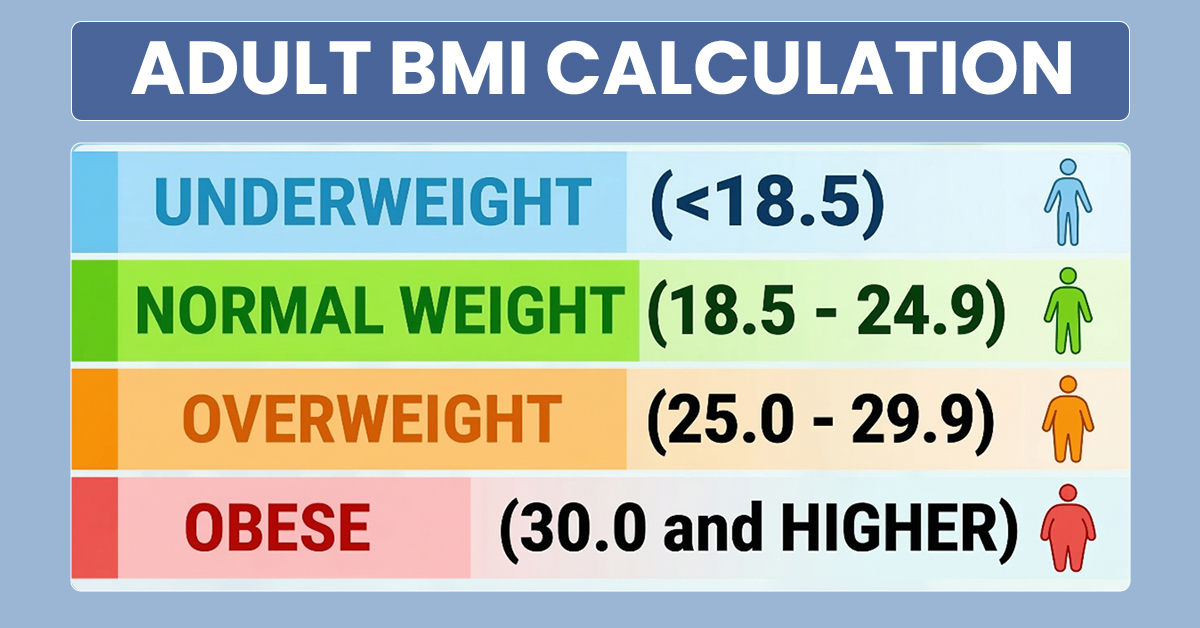
When it comes to accessing breakthrough treatments like GLP-1 receptor agonists, pharmaceutical companies and the FDA rely heavily on these specific brackets to determine safety and eligibility.
What BMI Qualifies for Wegovy and Other GLP-1s?
If you are wondering how overweight to get semaglutide (the active ingredient in Wegovy), the guidelines are very specific. The FDA set clear benchmarks to ensure these powerful medications are prescribed to those who need them most.
The Standard FDA Guidelines
For medications specifically branded for chronic weight management—such as Wegovy (semaglutide) and Zepbound (tirzepatide)—the baseline requirement is straightforward. If your BMI is 30 or higher, you meet the primary medical criteria for a prescription. At this level, the clinical benefits of the medication in preventing long-term cardiovascular issues significantly outweigh the potential side effects.
The “Comorbidity” Exception (BMI 27+)
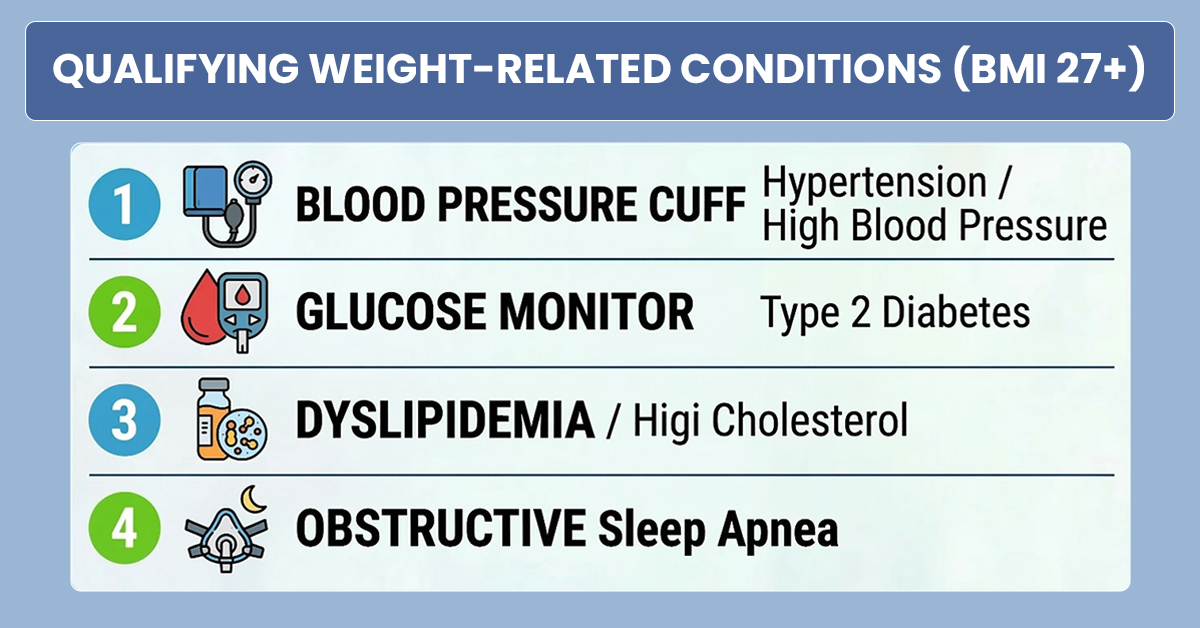
You do not have to have a BMI over 30 to get help. If your BMI falls between 27.0 and 29.9, you can still qualify if you suffer from at least one weight-related medical condition. These conditions are known as comorbidities.
Common Qualifying Comorbidities Include:
- Hypertension (High Blood Pressure): The silent killer that puts excess strain on your heart.
- Type 2 Diabetes: Elevated blood sugar levels resulting from insulin resistance.
- Dyslipidemia: Abnormal levels of cholesterol or fats in your blood.
- Obstructive Sleep Apnea: A dangerous condition where breathing repeatedly stops and starts during sleep.
Pro Tip: Do not self-diagnose your disqualification. Many women in suburban areas suffer from elevated blood pressure or borderline cholesterol without realizing it. A proper physician review can identify these qualifying factors.
BMI for Ozempic Approval: Understanding the Difference
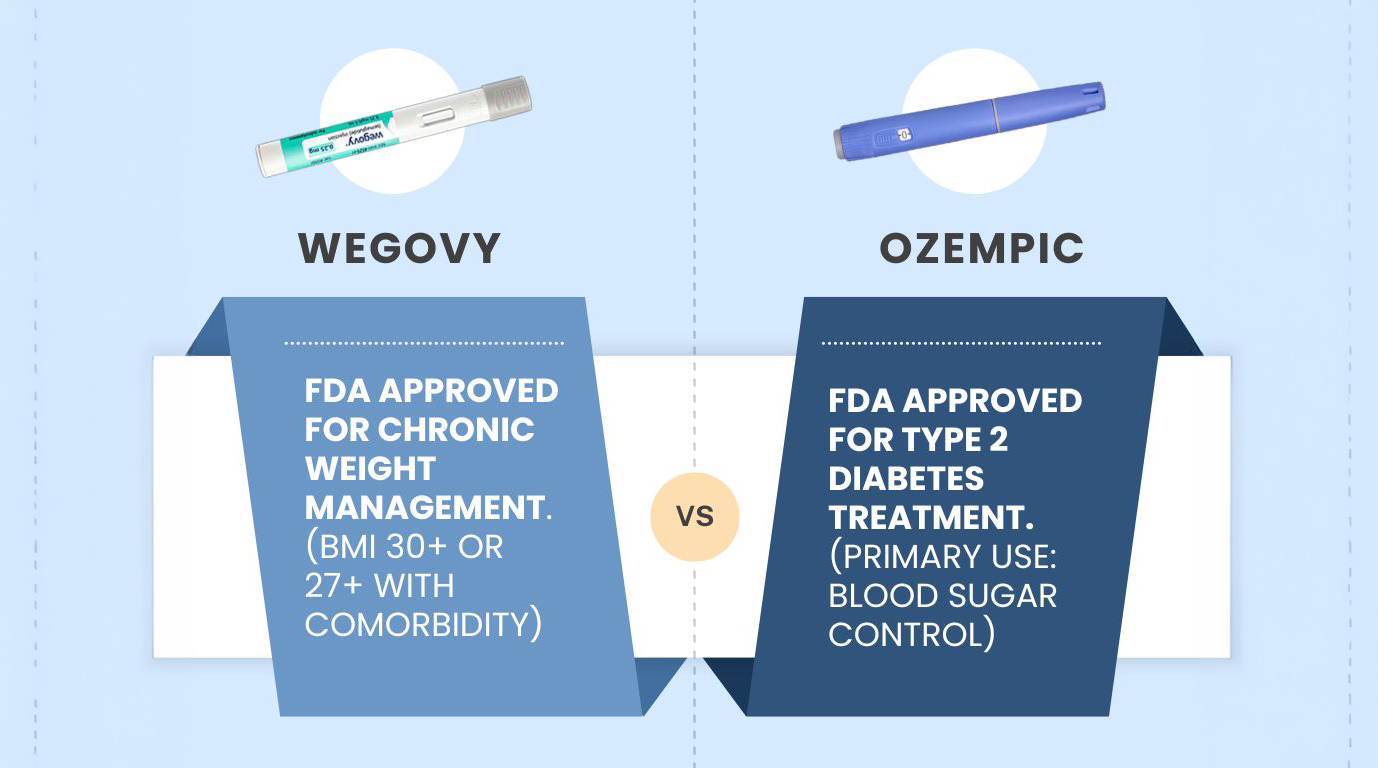
A major point of confusion for many patients is the difference between Wegovy and Ozempic. Both medications are manufactured by Novo Nordisk and contain the exact same active ingredient: semaglutide. However, their approval criteria are entirely different.
Ozempic is for Diabetes, Not Just Weight
The BMI for Ozempic approval is not strictly defined by a weight chart because Ozempic is Wego-approved exclusively for the treatment of Type 2 diabetes. To get an on-label prescription for Ozempic, your doctor is looking at your A1C levels (blood sugar), not just your waistline.
Off-Label Prescribing
While Ozempic is a diabetes drug, many doctors prescribe it “off-label” for weight loss. When prescribing off-label, ethical physicians will still default to the Wegovy guidelines (BMI of 30+, or 27+ with a condition) to ensure patient safety. If you do not have Type 2 diabetes, you are generally looking for Wegovy or compounded semaglutide, rather than branded Ozempic.
The “Flawed” Metric: Why BMI Isn’t the Whole Story
Here is a contrarian reality that many traditional clinics will not tell you: BMI is a deeply flawed, 19th-century mathematical equation. It was invented by a mathematician, not a doctor, and it has significant limitations when assessing modern health
Muscle Mass vs. Fat
BMI cannot distinguish between a pound of dense muscle and a pound of fat. An athletic woman who lifts weights regularly might have a BMI of 28, categorizing her as “overweight,” even if she has a perfectly healthy body fat percentage.
Visceral Fat vs. Subcutaneous Fat
Furthermore, BMI does not account for where you carry your weight. Visceral fat, the hard fat that wraps around your internal organs is far more dangerous than subcutaneous fat, which sits just under the skin. You can have a “normal” BMI but carry high levels of dangerous visceral fat due to stress and hormonal imbalances, a condition often called “skinny fat.”
This is exactly why modern, progressive wellness providers look beyond the basic numbers. They review your complete health profile, energy levels, and metabolic history to find a solution that works for you, not just a chart.
How to Get Prescribed Safely (Without the Clinic Stress)
In the past, getting medical weight loss support meant sitting in sterile waiting rooms, paying hidden consultation fees, and facing the stigma of asking for help. Today, the process is incredibly streamlined, entirely private, and designed for your convenience.
If you meet the BMI requirements, here is how a modern, discreet process works:
1. The Online Evaluation
Instead of taking time off work, you begin with a secure, private online intake form. You will answer questions about your medical history, your current weight, and your wellness goals.
2. Physician Review
A licensed, board-certified healthcare professional reviews your profile. They look at your BMI, your lifestyle, and your specific needs to determine if GLP-1 medication is a safe, effective option.
3. Discreet At-Home Delivery
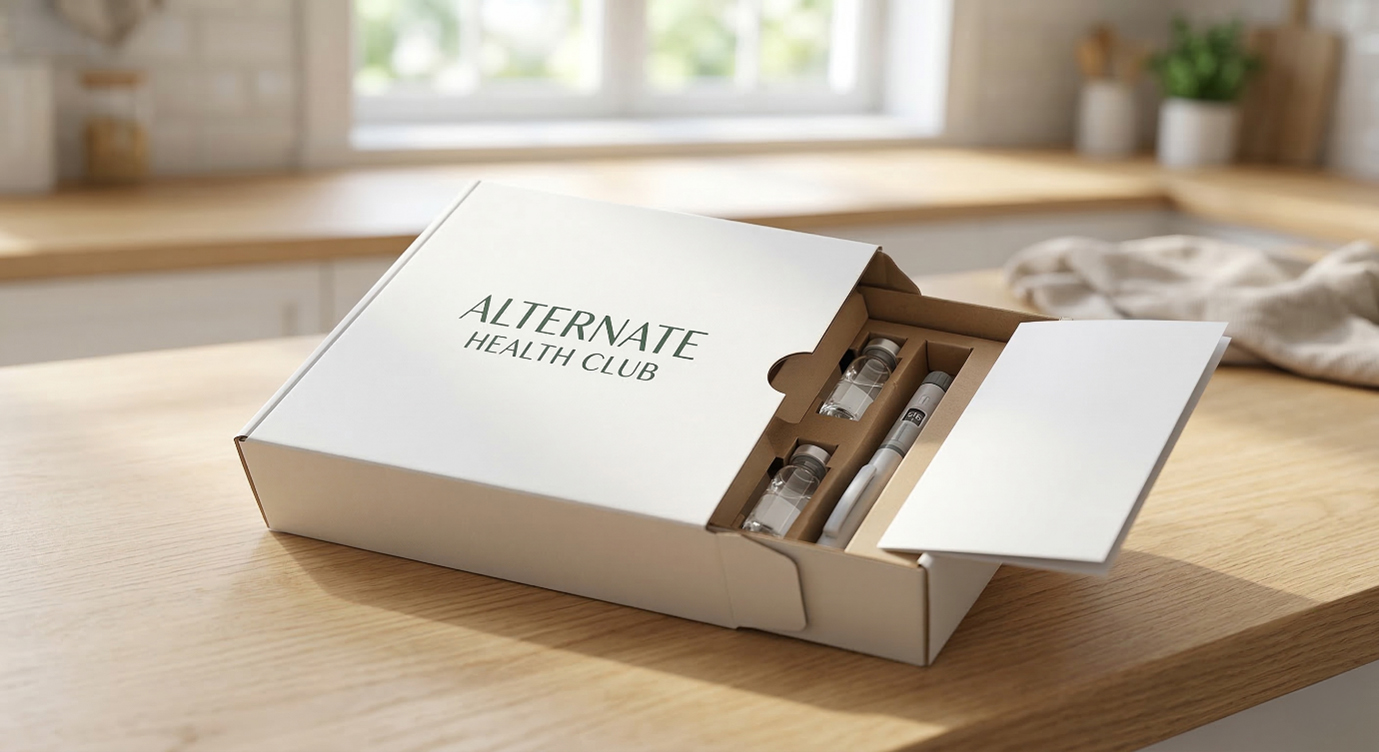
If approved, you do not have to wait in line at a local pharmacy. Your health kit is shipped directly to your door in discreet packaging. With transparent providers, you benefit from a smarter way to manage your health. Monthly physician-reviewed plans, flat-rate pricing, and zero memberships or hidden fees mean you can focus entirely on feeling your best. No office visits, no stress.
Maximizing Your GLP-1 Results
Qualifying for the medication is only the beginning. To truly transform your body and your energy levels, you must pair your prescription with sustainable habits.
- Prioritize Protein: GLP-1s heavily suppress your appetite. If you do not actively prioritize eating lean proteins, your body may burn muscle instead of fat. Aim for at least 80-100 grams of protein daily.
- Hydration is Mandatory: Dehydration exacerbates the nausea and headaches associated with these medications. Drink a minimum of half your body weight in ounces of water every day.
- Strength Training: You don’t need a heavy gym routine. Simple at-home resistance band workouts 3 times a week will preserve your metabolic rate.
- Key Takeaway: Medication silences the “food noise” in your brain, giving you the mental bandwidth to finally build healthy habits without fighting constant cravings. Use this window of opportunity wisely!
Frequently Asked Questions (FAQ)
1. What BMI qualifies for Wegovy?
To qualify for Wegovy, you generally need a BMI of 30 or higher, or a BMI of 27 or higher if you also have a weight-related medical condition such as high blood pressure, Type 2 diabetes, or high cholesterol.
2. How overweight do you have to be to get semaglutide?
Because semaglutide is the active ingredient in Wegovy, the eligibility criteria are the same: a BMI of 30 or higher, or a BMI of 27 or higher with at least one qualifying weight-related comorbidity such as high blood pressure or Type 2 diabetes.
3. What is the exact BMI for Ozempic approval?
Ozempic does not have a strict BMI requirement because it is FDA-approved specifically to treat Type 2 diabetes, not obesity. However, when prescribed off-label for weight loss, physicians generally apply the same BMI guideline used for Wegovy: 30 or higher, or 27 or higher with a qualifying medical condition.
4. Can I get medical weight loss online without going to a clinic?
Yes. Modern telehealth platforms allow you to complete a full medical evaluation online from home. If a licensed physician approves you, your prescription medication can be dispensed and shipped directly to your door — no in-person clinic visit required.
5. What happens if my BMI is below 27?
If your BMI is below 27, prescription GLP-1 medications such as Wegovy or semaglutide are typically not recommended, as clinical guidelines require a minimum BMI threshold to justify the risks and benefits of medical treatment. In this case, physicians generally recommend focusing on lifestyle changes, nutrition optimisation, and non-prescription wellness support.
6. Start Your Personalised Weight Loss Journey Online
At Alternate Health Club, licensed physicians are available to evaluate your candidacy for medically supervised weight loss — entirely online. No clinic visits, no waitlists. Book a free consultation or explore our GLP-1 protocols to get started today.
Your Next Step Toward Lasting Wellness
Understanding the BMI requirements for medical weight loss is empowering. It removes the guesswork and shows you exactly where you stand clinically. If you have been fighting a losing battle against your biology, you do not have to do it alone anymore, and you certainly do not have to deal with the stress of hidden clinic fees or awkward office visits.
Are you ready to see if you qualify?
Take our free, discreet online eligibility assessment today and discover how our physician-reviewed, at-home health kits can help you finally achieve your sustainable weight and energy goals.