
Blog
Working Out on Semaglutide: The 3-Day Strength Protocol for Women

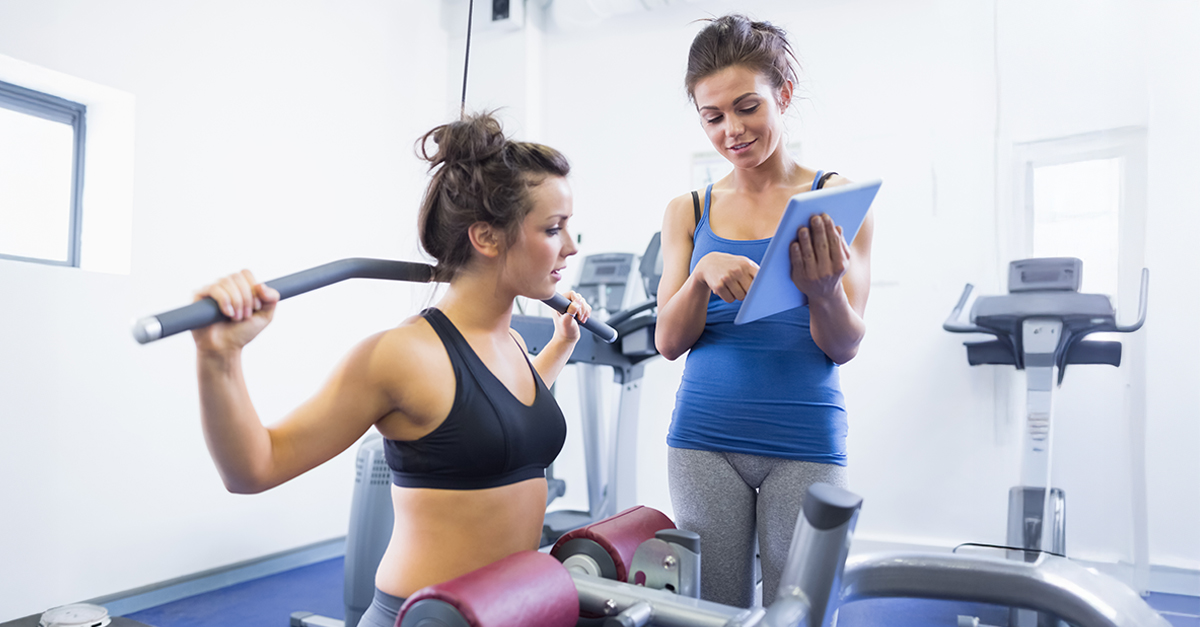
Yes, you should resistance train while on semaglutide. Clinical data shows 25 to 40 percent of weight lost on GLP-1 medications can come from lean muscle rather than fat. Resistance training three times per week is the most effective way to prevent muscle loss, protect your metabolic rate, and ensure the weight you lose comes primarily from fat.
GLP-1 medications like semaglutide and tirzepatide have changed what is achievable in medical weight loss. But the research has made one issue unmistakably clear: without resistance training, a meaningful proportion of the weight you lose may come from muscle, not fat. Protecting that muscle requires a specific stimulus, and that stimulus is resistance training. This guide gives you a practical, evidence-based three-day protocol designed specifically for women using semaglutide.
Why Resistance Training Is Non-Negotiable on Semaglutide
When you are in a significant calorie deficit, your body draws on stored tissues for fuel. It prioritizes fat, but without a clear signal to preserve muscle, it will also break down lean mass. For women over 30, who are already managing a natural age-related decline in muscle mass, this is particularly important. Losing muscle during weight loss lowers your resting metabolic rate, reduces strength, affects bone density, and sets the stage for faster weight regain once treatment ends.
The 3-Day Protocol
Workout A: Lower Body and Core (Monday)
- Goblet squats: 3 sets of 8 to 12 repetitions. Targets glutes and quadriceps.
- Dumbbell rows: 3 sets of 10 repetitions per arm. Targets the back and improves posture.
- Overhead press: 3 sets of 10 repetitions. Builds shoulder strength.
- Plank: 3 sets, holding for 30 to 60 seconds. Core stability.
Workout B: Posterior Chain and Back (Wednesday)
- Romanian deadlifts: 3 sets of 10 to 12 repetitions. Hamstring and lower back strength.
- Push-ups: 3 sets to near failure. Modify with an incline or from your knees as needed.
- Step-ups: 3 sets of 10 repetitions per leg. Functional lower body strength.
- Glute bridges: 3 sets of 15 repetitions. Targets glutes and supports lower back.
Workout C: Full-Body Integration (Friday)
- Lunge variations: 3 sets of 10 repetitions per leg.
- Lat pulldowns or assisted pull-ups: 3 sets of 10 repetitions. Upper back strength.
- Kettlebell swings: 3 sets of 15 repetitions. Posterior chain power.
- Bird-dogs: 3 sets of 12 repetitions per side. Core stability.
Nutritional Requirements Alongside Training
The clinical recommendation for women on GLP-1 medications is 1.2 to 1.6 grams of protein per kilogram of body weight daily. For a woman weighing 77 kilograms, that is 92 to 123 grams per day. Consume 20 to 30 grams of protein within two hours of a resistance training session specifically to support muscle repair.
Supplementary Support at Alternate Health Club
AHC offers several complementary therapies alongside GLP-1 programs. MIC+B12 (Megaburn) at $79.99/month supports the liver in processing mobilized fat while B12 provides energy support. Sermorelin stimulates natural growth hormone production to actively maintain lean tissue during weight loss.
Frequently Asked Questions
1. Will resistance training make women look bulky?
No. Women over 30 generally do not have the testosterone levels required to develop significant muscle bulk, particularly while in a calorie deficit on GLP-1 therapy. Resistance training produces a leaner, more defined appearance by preserving the muscle beneath the fat as it is lost.
2. Do I need a gym membership for this protocol?
No. Resistance bands, dumbbells, and bodyweight exercises produce the mechanical stimulus your muscles need. The location is irrelevant. Consistent frequency and progressive challenge are what matter.
3. Is this protocol appropriate for women with PCOS?
Yes. Resistance training is a front-line intervention for women with PCOS on GLP-1 therapy because it improves insulin sensitivity through increased muscle insulin receptor density.
Build a Stronger Body While Losing Weight at AHC
AHC programs combine personalized GLP-1 dosing, protein guidance, and complementary therapies to ensure your weight loss comes from fat, not muscle. Start your evaluation.
Medical Disclaimer: Compounded semaglutide and tirzepatide are not FDA-approved and have not been evaluated for safety, efficacy, or quality by the FDA. All clinical services are provided by independently contracted, U.S.-licensed clinicians. Individual results vary. This content is for informational purposes only and does not constitute medical advice.