
Blog
Tirzepatide Diet Basics and What to Eat

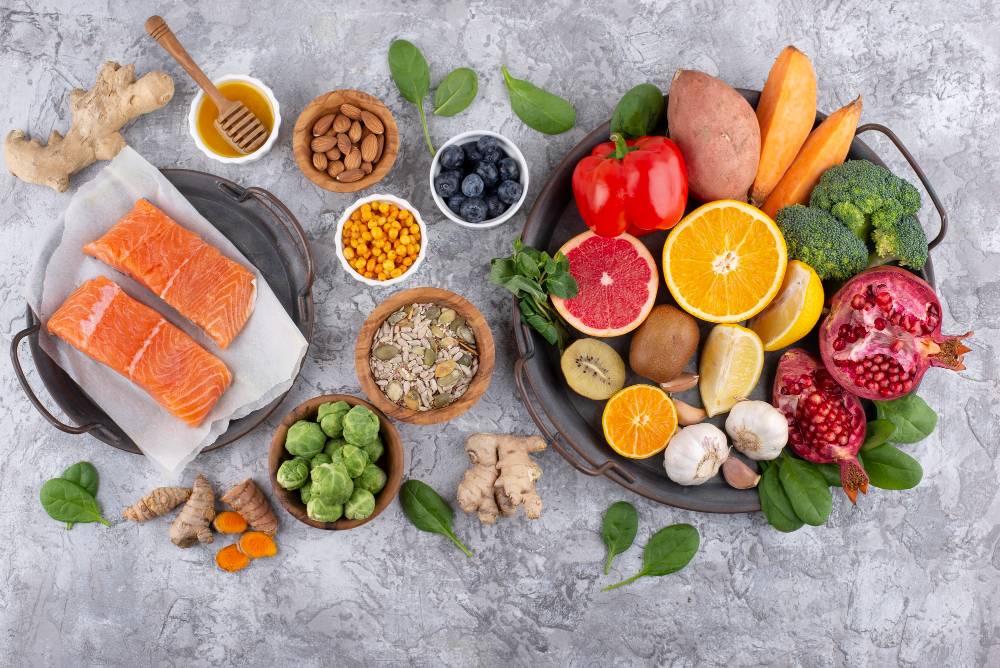
Table of Contents
Tirzepatide Diet and How to Eat on Treatment
There is no official tirzepatide diet. No food list is required with the medication, and nothing you eat changes how it is prescribed.
What does change is your appetite and how quickly your stomach empties. That makes the question less about rules and more about eating well when you want less food than before.
Is there an official tirzepatide diet
No. There is no prescribed plan, and any page selling you one is selling a plan, not a requirement.
| What people expect | What applies in practice |
| A strict tirzepatide diet plan to follow | No plan is required. Balanced eating is the whole instruction |
| Forbidden foods | No food is banned. Some foods commonly make side effects worse |
| A calorie target from the medication | Your dosage email covers medication only. It says nothing about food |
| A meal plan that comes with treatment | AHC does not send meal plans. It sends dosage instructions after provider approval |
The practical goal is the same balanced pattern that NIDDK recommends for weight management, adjusted for a smaller appetite. That adjustment is the real tirzepatide diet question.
What to eat on a tirzepatide diet
A tirzepatide diet is built on four food groups that do most of the work, because they deliver the most nutrition for the amount you can comfortably eat.
| Food group | Everyday examples | Why it matters on treatment |
| Lean protein | Chicken, turkey, fish, eggs, Greek yogurt, tofu, tempeh | Helps protect muscle while you lose weight, and it is the easiest thing to miss when appetite drops |
| High fiber foods | Berries, apples, leafy greens, broccoli, oats, quinoa, brown rice | Supports fullness and regularity, which matters when digestion slows |
| Legumes | Beans, lentils, chickpeas, peas | Protein and fiber in the same food, useful when you can only eat a small portion |
| Unsaturated fats | Olive oil, avocado, nuts, seeds, salmon | Makes small meals more satisfying without needing more volume |
Nothing on that list is specific to tirzepatide. It is ordinary good eating, made more important because the amount you eat is smaller. When portions shrink, every mouthful has to carry more nutrition, which is why quality matters more on treatment than it did before.
What to limit on a tirzepatide diet
Nothing is banned on a tirzepatide diet. Some foods are commonly reported to make side effects worse, especially early on and after a dose increase.
| Limit | Why it comes up | Easier swap |
| Fried and greasy food | Slow to digest, and commonly linked to nausea | Baked, grilled or roasted versions of the same meal |
| Large sugary items and soda | Can unsettle the stomach and add little fullness | Fruit, or water and tea without sugar |
| Spicy and acidic food | Can aggravate reflux, which is more likely when digestion slows | Milder seasoning while you settle into a dose |
| Alcohol | Irritates the stomach lining and adds dehydration | Water, especially on injection day |
| Fizzy drinks | Add gas and bloating on top of slower emptying | Still water or herbal tea |
| Oversized portions | The most common cause of discomfort on treatment | Smaller plate, slower pace, stop when satisfied |
Triggers are individual. Something that bothers you in week two may be fine three months later, and something you tolerated at a lower dose can become an issue after a step up. A short note of what you ate and how you felt is more useful than any generic tirzepatide diet list.
How to eat when your appetite drops
This is the part most tirzepatide diet advice skips, and it is the part people struggle with most.
- Eat protein first. When you can only manage a small portion, protein is the part worth eating before anything else on the plate.
- Smaller meals, more often. A slowed stomach handles several small meals better than two large ones.
- Slow down. Fullness arrives later than the mouthful that caused it. Eating slowly avoids overshooting.
- Stop at satisfied, not full. Overfullness is uncomfortable on treatment and usually avoidable.
- Drink through the day. Easy to forget when you are not hungry, and dehydration makes most side effects feel worse.
Appetite is not a measure of how well treatment is working, and eating too little is not a goal. If you cannot keep food or fluids down, that is a support conversation rather than a diet adjustment.
Eating around a dose increase
Side effects cluster at two points, so a tirzepatide diet is worth adjusting temporarily at both.
| When | What tends to happen | What usually helps |
| First weeks of treatment | Appetite drops and the stomach is most sensitive | Plainer food, smaller portions, steady fluids |
| The days after a dose increase | Symptoms often return briefly | Return to simpler meals for a few days |
| Settled on a dose | Tolerance usually improves | Widen the range of foods again, gradually |
Dose changes are a clinical decision reviewed by AHC’s medical officer, never something to manage with food. The guide to GLP-1 side effects covers what is common and when to contact support.
Protein and muscle on a tirzepatide diet
Protein is the single most important part of a tirzepatide diet, because some of the weight lost is muscle.
- Put it in every meal. Spreading protein through the day is easier than trying to catch up at dinner.
- Use dense sources. Eggs, Greek yogurt, fish and legumes deliver more protein per mouthful than most alternatives.
- Pair it with resistance work. Food alone does not protect muscle. Some strength work does the other half.
Needs vary by person, so this page publishes no gram target. The GLP-1 protein calculator gives you a starting figure to take to a provider.
Fiber, fluid and staying regular
Constipation is one of the most common complaints on treatment, and it is usually a fiber and fluid problem rather than a medication problem.
- Raise fiber gradually over a few weeks rather than all at once
- Increase fluids as you increase fiber, or the fiber makes things worse
- Spread fiber across meals instead of one large serving
- Keep moving, since activity helps digestion as much as food does
If it does not settle, it is worth raising rather than living with. See the guide to constipation on a GLP-1 for the detail.
Tirzepatide diet myths worth ignoring
Most tirzepatide diet content online repeats four claims that do not hold up.
| Myth | What holds up |
| There is a required tirzepatide diet plan | No plan is prescribed. Balanced eating adjusted for a smaller appetite is the whole of it |
| Certain foods must be cut out completely | No food is banned. Some commonly worsen symptoms, and tolerance often improves |
| Eating less will speed things up | Appetite already falls. Eating further below that risks missing protein and nutrients |
| A special supplement or shake is needed | Food sources usually cover it. Any supplement belongs on your intake so a provider can see it |
The common thread is that a tirzepatide diet is not a stricter diet. It is the same balanced eating, made to fit a smaller appetite. Anything framed as a rule you must follow is usually a product being sold alongside it.
Eating out and social meals
Restaurants and family meals are where a tirzepatide diet gets tested, mostly because portions are large and the pace is not yours.
| Situation | What tends to go wrong | What helps |
| Restaurant portions | Plates are far larger than you now need | Order a starter as a main, or box half before you begin |
| A long family meal | The pace pulls you past comfortable | Eat your protein early and slow down after |
| Rich or fried menus | The most common trigger, in the largest portion | Grilled or roasted options, sauces on the side |
| Drinks with the meal | Alcohol and fizzy drinks both unsettle a slowed stomach | Water alongside, especially near injection day |
| Being asked why you are eating less | Awkward rather than medical | A short answer prepared in advance is enough |
None of this requires explaining your treatment to anyone. It requires a smaller plate and a slower pace. Most people find the first few social meals are the hardest, and that it stops being a conscious effort within a month or two.
Signs your tirzepatide diet is working for you
The useful signals are about comfort and nutrition rather than the number on the scale.
- Meals sit comfortably instead of leaving you overfull
- You are getting protein most days without forcing it
- Digestion is regular, with fiber and fluid keeping pace
- Energy is steady through the day rather than crashing
- You are drinking enough that you are not lightheaded or dry
If several of these are off, that is worth raising with AHC support rather than tightening your eating further. Results vary by individual and depend on adherence, clinical guidance, and lifestyle factors.
What a tirzepatide diet cannot do
Worth saying plainly, because plenty of tirzepatide diet pages imply otherwise.
- No food replaces the medication. Foods that support natural GLP-1 act briefly. A prescription works on a different scale entirely.
- No food list guarantees a result. Results vary by individual and depend on adherence, clinical guidance, and lifestyle factors.
- Food does not change your dose. Titration is reviewed by a provider. Your dosage instructions arrive by email after approval.
- Eating less is not the goal. Appetite falls on its own. Cutting further raises the risk of missing protein and nutrients.
AHC prescribes compounded tirzepatide following a review by a licensed provider, who retains full discretion to approve or decline.
Compounded medications are prepared by state-licensed compounding pharmacies. They are not FDA-approved and have not been reviewed by the FDA for safety, efficacy, or quality.
Thinking about treatment? A licensed provider reviews every order and decides whether treatment is appropriate. Begin your evaluation to find out where you stand.
The short version. There is no official tirzepatide diet. Protein first, fiber raised slowly, fluids through the day, smaller and slower meals, and less of what commonly triggers symptoms. No food list is required and none is forbidden.
Frequently asked questions
Is there an official tirzepatide diet plan?
No. No plan comes with the medication and none is required. AHC sends dosage instructions after provider approval, not meal plans.
What should I eat on tirzepatide?
A tirzepatide diet is built around lean protein, high fiber foods, legumes and unsaturated fats. That covers the most nutrition for the amount you can comfortably eat.
What foods should I avoid on tirzepatide?
Nothing is banned. Fried food, large sugary items, spicy and acidic food, alcohol and fizzy drinks are the ones most commonly reported to worsen symptoms.
How much protein should I eat?
That depends on your body and your situation, so this page publishes no gram target. Use the GLP-1 protein calculator for a starting figure and confirm it with a provider.
Why am I constipated on tirzepatide?
Slower digestion plus less food and fluid is the usual combination. Raise fiber gradually, drink more as you do, and contact support if it does not settle.
Can eating the wrong thing stop the medication working?
No. Food affects how comfortable you feel, not how the medication works. Nothing you eat changes your prescribed dose.
Should I eat less to lose more?
No, and it is the most common tirzepatide diet mistake. Appetite drops on its own, and eating further below that raises the risk of missing protein and nutrients. Speak with a provider before restricting further.
What should I eat on injection day?
There is no special rule. Many people prefer plainer food and steady fluids on that day, especially in the first few weeks.
Do I need protein shakes or supplements?
Not necessarily. Food sources usually cover it. List any supplement on your intake, because the provider review runs on what you disclose.
Can I drink alcohol on tirzepatide?
It irritates the stomach lining and adds dehydration, so it commonly makes side effects worse. Raise it with a provider for guidance on your situation.
What if I cannot keep food or fluids down?
That is not a diet problem. Contact AHC support through live chat or [email protected], and seek medical care if symptoms are severe.
Do I need to change how I eat before starting?
No. Most people adjust once treatment begins and appetite changes. Building a protein habit beforehand is useful, but nothing has to change before your first injection.
Is the tirzepatide diet different from a semaglutide diet?
Not meaningfully. Both slow digestion and lower appetite, so the same eating approach applies to either.
Questions about your own plan? Book a provider consultation for $29.99, or contact AHC support through live chat on the website or at [email protected].
Medical Disclaimer
Compounded medications are prepared by state-licensed compounding pharmacies. They are not FDA-approved and have not been reviewed by the FDA for safety, efficacy, or quality. Results vary by individual and depend on adherence, clinical guidance, and lifestyle factors. This content is for informational purposes only and is not medical advice or a nutrition plan. Clinical services are provided by independently contracted, U.S.-licensed clinicians. Speak with a licensed provider about your individual situation. If you experience severe symptoms, seek medical care. For questions about your treatment, contact AHC support through live chat on the website or at [email protected]