
Blog
The Complete Guide to GLP-1 Side Effects: What’s Normal, What’s Rare, and When to Call Your Provider

What Are the Most Common GLP-1 Side Effects?
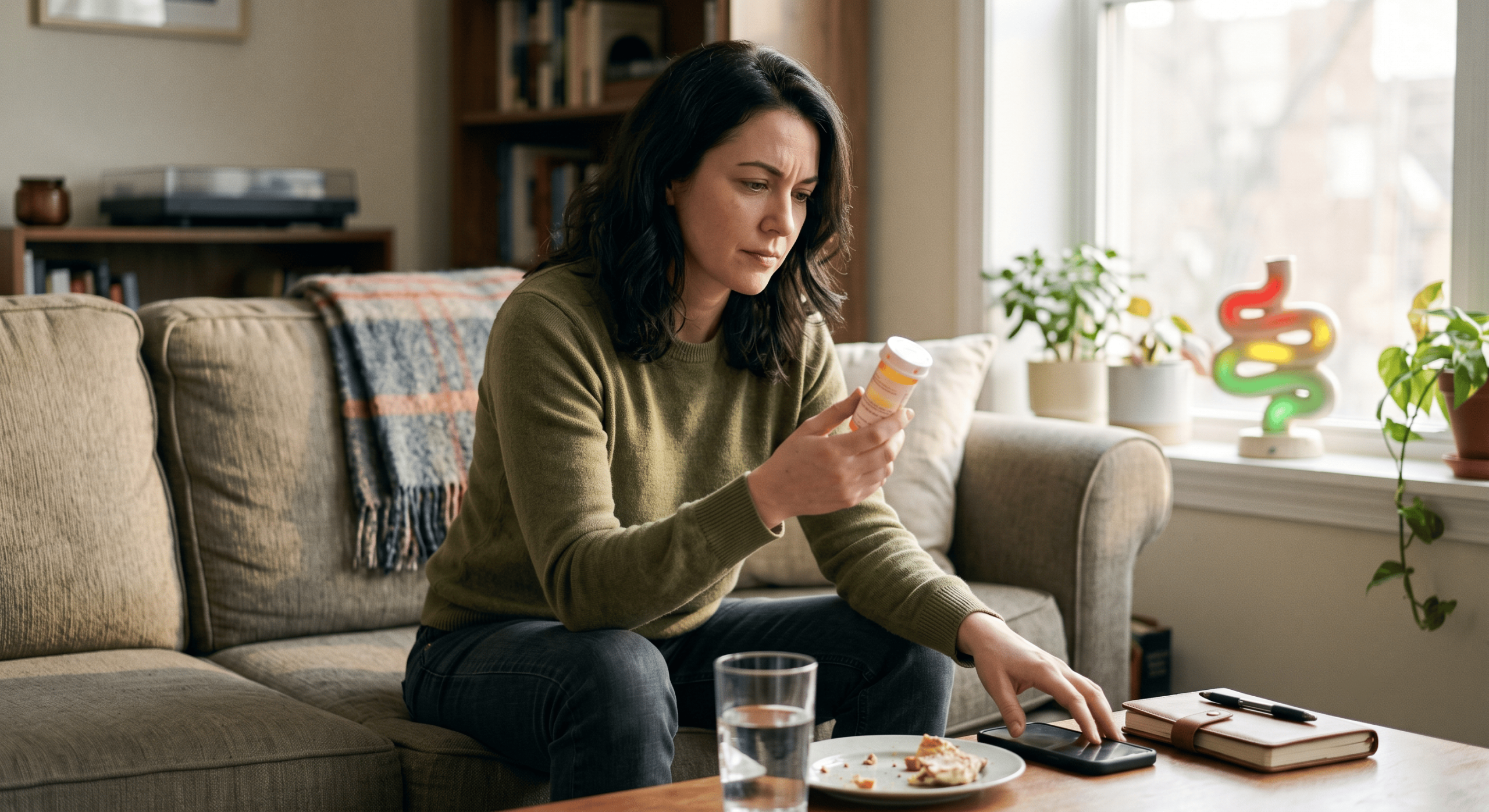
GLP-1 side effects fall into three tiers: digestive symptoms that most people experience to some degree, less common effects like fatigue or hair thinning, and rare but serious risks that carry real warnings. Nausea and other GI symptoms are the most common GLP-1 side effects, typically strongest right after starting or increasing a dose, while thyroid tumors, severe gastroparesis, and pancreatitis are rare and worth understanding rather than fearing.
Key takeaways
- Digestive symptoms are the most common GLP-1 side effects by far, and they are usually strongest in the first few weeks after starting or increasing a dose.
- In January 2026, the FDA requested removal of the suicidal ideation and behavior warning from GLP-1 labels, after a review of more than 2 million patients found no increased risk. This is recent enough that a lot of existing content has not caught up to it.
- Gastroparesis and pancreatitis are real but rare. Relative risk increases sound alarming; absolute risk stays under 1% for gastroparesis specifically.
- A May 2026 trial in The Lancet found semaglutide reduced heavy drinking and alcohol cravings in adults with obesity and alcohol use disorder, an emerging and still off-label area of research.
- Weight regain after stopping is common and well documented: roughly 2 pounds a month on average, according to a 2026 analysis.
At a glance
| 3.67x relative gastroparesis risk vs. an alternative weight-loss drug (still under 1% absolute risk) | 0 increased risk FDA’s January 2026 finding on suicidal thoughts or behavior, after reviewing over 2 million patients | ~2 lbs/mo average weight regain after stopping treatment | 26 weeks length of the largest trial so far testing semaglutide for heavy drinking |
What’s in this guide
- Part 1: The common ones: digestive symptoms, fatigue, and injection site reactions
- Part 2: Body composition and lifestyle effects: hair and muscle loss, and alcohol
- Part 3: Serious but rare: the boxed warning, gastroparesis, pancreatitis, and dizziness
- Part 4: Mental health, stopping treatment, red flags, and 14 frequently asked questions
Part 1: The Common Ones
Digestive Side Effects: Nausea, Vomiting, Diarrhea, Constipation, and Bloating
GI symptoms are the most common GLP-1 side effects of all, and semaglutide and tirzepatide side effects here come directly from how the medication works, not from something going wrong. Semaglutide and tirzepatide slow gastric emptying, meaning food stays in the stomach longer, which is exactly what creates the fullness that makes weight loss possible. The same mechanism can cause nausea, occasional vomiting, diarrhea, constipation, and bloating, especially in the first few weeks after starting or after a dose increase.
These symptoms typically ease within days to a few weeks as the body adjusts, then often reappear more mildly at each subsequent dose increase. Eating smaller meals, stopping before feeling completely full, and choosing lower-fat, less greasy foods during flare-ups all reduce severity. Most people do not need to stop treatment over GI symptoms alone.
Fatigue: Why GLP-1 Medications Can Leave You Tired
Fatigue is a commonly reported GLP-1 side effect, and it usually has a straightforward explanation: eating meaningfully less means taking in fewer calories than the body is used to, which can lower energy in the short term, especially alongside the GI symptoms above disrupting sleep or nutrition. Staying hydrated, prioritizing protein at each meal, and giving the body a few weeks to adjust after each dose change typically improves it. Fatigue that is severe, sudden, or paired with dizziness or a rapid heartbeat is worth a call to your provider rather than waiting out.
Injection Site Reactions and How to Prevent Them
Redness, mild swelling, or itching at the injection site is common and usually resolves within a day or two. Rotating injection sites between the abdomen, thigh, and upper arm on a set schedule, letting the medication reach room temperature before injecting, and avoiding the exact same spot twice in a row all reduce site reactions. Persistent lumps, spreading redness, or a site that feels warm and increasingly painful days later is different from a typical reaction and worth mentioning to your provider.
Part 2: Body Composition and Lifestyle Effects
Hair Loss and Muscle Loss During Rapid Weight Loss
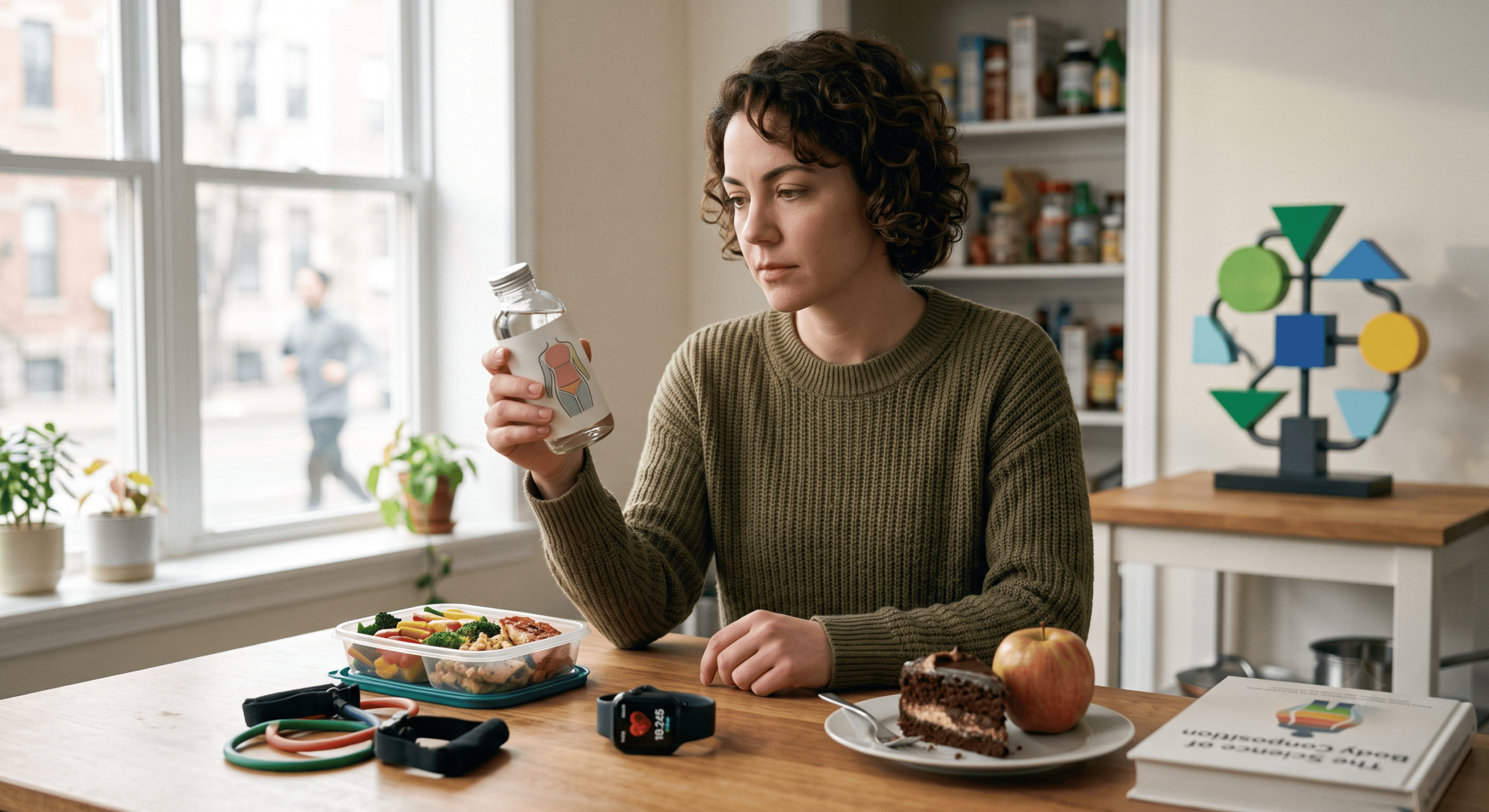
Temporary hair shedding, medically called telogen effluvium, is a known response to rapid weight loss and significant calorie reduction generally, not something unique to GLP-1 medications specifically. It typically starts a few months into treatment and improves once weight stabilizes and intake normalizes. Adequate protein and overall nutrition during weight loss reduces its severity.
Muscle loss is a more consequential concern. Weight lost on any calorie-reduction approach, GLP-1 medications included, comes from some combination of fat and lean muscle, and the muscle share can be meaningful without deliberate effort to prevent it. Adequate protein intake at each meal and regular strength training are the two most effective countermeasures, and most providers recommend both from the start of treatment rather than after muscle loss becomes noticeable.
GLP-1 Medications and Alcohol: Safety First, Then What the Craving Research Shows
This is really two different questions, and most existing content only answers one of them.
Is it safe to drink on a GLP-1?
There is no direct pharmacological interaction between GLP-1 medications and alcohol that makes drinking dangerous outright. What changes is context: you are typically eating less and may be somewhat dehydrated, so intoxication can hit faster and harder than it used to, and alcohol’s own GI irritation stacks on top of GLP-1-related nausea. Keep amounts small, avoid drinking on an empty stomach, alternate with water, and stop if nausea, flushing, or dizziness shows up. If you also take insulin or a sulfonylurea, talk to your provider specifically, since low blood sugar risk is higher.
Can GLP-1 medications actually reduce drinking?
This is the newer, more interesting question, and it is genuinely still research, not an approved use. The largest randomized trial so far, published in The Lancet in May 2026, enrolled 108 adults with obesity and moderate to severe alcohol use disorder. Over 26 weeks, participants receiving semaglutide alongside standard therapy showed a greater reduction in heavy drinking days, total monthly alcohol consumption, and cravings than those on placebo with the same therapy. A separate nine-week JAMA Psychiatry study found low-dose semaglutide reduced alcohol consumed during a monitored session and lowered weekly cravings, without significantly changing the number of drinking days.
A 2025 systematic review pooling three randomized trials and six observational studies, covering more than 2.7 million people in the observational data, found real-world alcohol-related events dropped meaningfully among GLP-1 users, though the smaller randomized trials themselves have not yet reached statistical significance on drinking amount specifically. Semaglutide showed the strongest signal among the medications studied.
| Not an approved use: No GLP-1 medication is FDA-approved to treat alcohol use disorder. This research is promising and active, not settled clinical guidance, and it is not a reason to start GLP-1 treatment instead of evidence-based alcohol use disorder care. If alcohol use is a concern for you, that is worth raising directly with a provider alongside, not instead of, any weight management conversation. |
Part 3: Serious But Rare
The GLP-1 side effects in this Part are uncommon, but they carry real warnings and deserve a clear explanation rather than either panic or dismissal.
The Boxed Warning: Thyroid C-Cell Tumors, Explained
Every GLP-1 medication carries a boxed warning, the FDA’s most serious label warning category, about thyroid C-cell tumors, based on findings in rodent studies. It has not been confirmed whether this risk applies to humans, and no clear cases have been established in the human data available so far. The warning exists because of what was seen in animal studies, not a confirmed human risk.
The actual contraindication is narrow: a personal or family history of medullary thyroid carcinoma, or Multiple Endocrine Neoplasia syndrome type 2. Routine hypothyroidism or a standard thyroid condition is not the same thing and is not, on its own, a reason to avoid treatment. This distinction gets confused constantly, and getting it right matters, since the two situations lead to completely different conversations with a provider.
Gastroparesis: What It Actually Means (and What It Doesn’t)
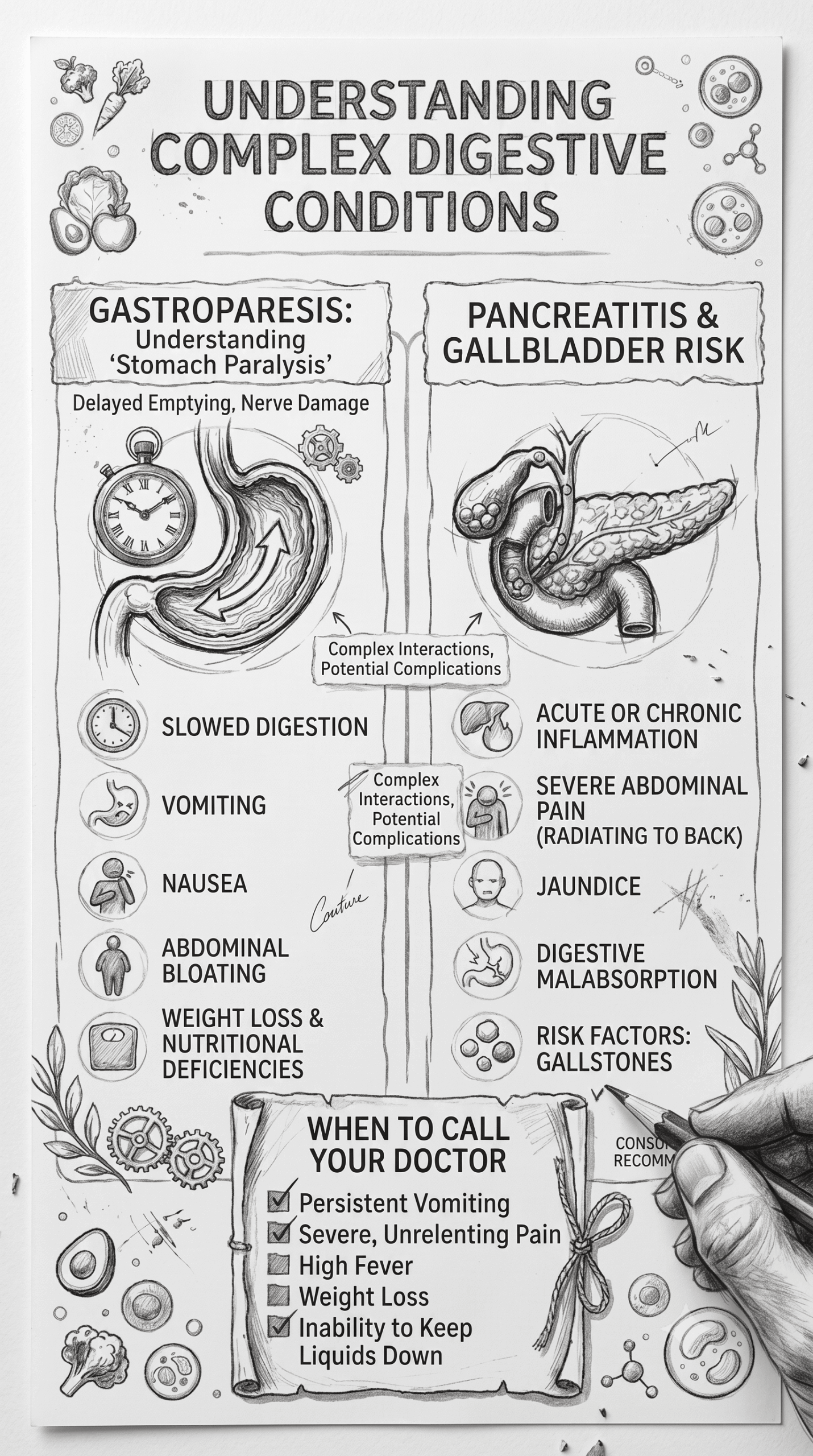
Delayed gastric emptying is not a side effect of GLP-1 medications. It is the mechanism, the same slowing that creates fullness and helps control blood sugar. That is different from gastroparesis, a distinct clinical syndrome of persistent nausea, vomiting, bloating, and gastric retention that goes beyond the expected, usually temporary slowing. Gastric emptying delay from GLP-1 medications is generally reversible; gastroparesis from long-standing diabetes is typically structural and persistent.
A JAMA-covered study found GLP-1 users had a 3.67 times higher relative risk of a gastroparesis diagnosis compared with users of an alternative weight-loss medication. Relative risk numbers like that sound alarming without context: the absolute rate was approximately 0.53%, or about 6.5 cases per 1,000 patient-years, meaning the large majority of GLP-1 users never develop it. Risk is meaningfully higher in people with pre-existing diabetic neuropathy, a hiatal hernia, or a history of severe reflux.
One practical detail rarely mentioned: because the stomach empties more slowly, having a full stomach at the time of anesthesia carries a real aspiration risk during surgery. Tell any anesthesiologist or surgical team that you are taking a GLP-1 medication before any procedure, even one unrelated to weight loss.
Pancreatitis and Gallbladder Risk
Pancreatitis, inflammation of the pancreas, is a rare but serious risk listed for GLP-1 medications, typically presenting as severe, persistent abdominal pain, often radiating to the back, sometimes with nausea and vomiting that does not resolve the way routine GI side effects do. Gallbladder problems, including gallstones, are also more common with rapid weight loss generally, GLP-1-driven or otherwise, since fast fat loss changes how the liver processes cholesterol into bile.
Provider/compliance review required before publishing: exact incidence figures and risk-factor language for pancreatitis need medical sign-off before this section goes live, given how serious a missed or delayed pancreatitis diagnosis can be.
Dizziness and Vestibular Symptoms: An Emerging Signal
This is one most GLP-1 side effect guides do not mention yet. A large real-world cohort study, drawn from records of more than 490,000 semaglutide and tirzepatide patients, is investigating a possible link between GLP-1 use and vestibular symptoms like dizziness and vertigo. FDA adverse event data has recorded vertigo in over 200 cases among GLP-1 users, with semaglutide accounting for a small but notable share of reported otologic adverse events.
The mechanism is not settled. One hypothesis points to GLP-1 receptors expressed in brainstem and cerebellar regions involved in balance, alongside blood pressure changes from reduced food and fluid intake. This is early, developing research rather than an established side effect, worth being aware of, particularly if dizziness shows up alongside starting treatment or a dose increase, rather than something to be alarmed about.
Part 4: Mental Health, Stopping Treatment, and Getting Help
GLP-1 Medications and Mental Health: What the FDA’s 2026 Review Found
In July 2023, the FDA opened an investigation into reports of suicidal thoughts among people taking GLP-1 medications for weight loss or diabetes. An initial 2024 review could not rule out a risk, largely because the number of reported cases was too small to draw a firm conclusion either way.
To resolve that uncertainty, the FDA conducted a meta-analysis of 91 placebo-controlled clinical trials covering 107,910 patients, and separately a real-world cohort study comparing 2,243,138 patients started on either a GLP-1 medication or an SGLT2 inhibitor for type 2 diabetes. Neither analysis found an increased risk of suicidal thoughts or behavior, or other psychiatric effects such as anxiety, depression, irritability, or psychosis, associated with GLP-1 use.
| Based on that review, the FDA requested in January 2026 that manufacturers remove the suicidal ideation and behavior warning from the labels of Wegovy, Zepbound, and Saxenda. |
Label changes take time to formally implement, and regulators outside the U.S. have not all moved at the same pace or in the same direction, so you may still see older warning language on some materials during this transition. None of that changes the ordinary, sensible practice that applies to any medication affecting appetite, weight, or hormones: tell your provider about any new or worsening depression, mood changes, or thoughts of self-harm, so they can be evaluated directly rather than assumed away.
| If you are having thoughts of self-harm, call or text 988 to reach the Suicide and Crisis Lifeline, available 24 hours a day, or go to your nearest emergency room. This applies regardless of what medication you are taking. |
What Happens When You Stop: Withdrawal and Weight Regain
Stopping a GLP-1 medication does not cause withdrawal in the way that term usually implies. What it does cause, reliably, is appetite returning toward its pre-treatment baseline, since the medication was actively suppressing it. A 2026 analysis of more than 9,000 patients found that people who stopped semaglutide or tirzepatide regained an average of nearly 2 pounds a month. The one-year extension of the STEP 1 trial found participants had regained about two-thirds of their lost weight within a year of stopping.
This is why most providers frame GLP-1 treatment as a longer-term plan rather than a fixed course, similar to how blood pressure or cholesterol medication works. If you are considering stopping, that is a conversation to have with your provider about tapering and a maintenance plan, not something to do abruptly without a plan for what comes after.

When to Call Your Provider or Go to the ER
Most GLP-1 side effects are uncomfortable, not urgent. This shorter list is the exception.
- Severe, persistent abdominal pain, especially radiating to the back: possible pancreatitis.
- Persistent vomiting, inability to keep food or liquids down, or signs of dehydration: possible gastroparesis or another complication.
- A lump in your neck, hoarseness, difficulty swallowing, or shortness of breath: get thyroid symptoms checked promptly.
- Signs of a severe allergic reaction: swelling of the face or throat, difficulty breathing, or a widespread rash.
- New or worsening depression, or any thoughts of self-harm: call your provider, and use 988 if you need support immediately.
Frequently Asked Questions
What are the most common GLP-1 side effects?
Digestive symptoms: nausea, vomiting, diarrhea, constipation, and bloating. These GLP-1 side effects are usually strongest in the first few weeks after starting or after a dose increase, and typically ease as the body adjusts.
How long do GLP-1 side effects last?
Most GI symptoms improve within days to a few weeks at each dose level, then often reappear more mildly at the next increase. Fatigue and injection site reactions typically follow a similar pattern.
Does the FDA still warn about suicidal thoughts on GLP-1 medications?
The FDA requested removal of that warning from GLP-1 labels in January 2026, after finding no increased risk in a review of over 2 million patients. Label updates take time to implement, so some materials may not reflect the change yet. Regardless of label status, tell your provider about any new or worsening mood changes.
Is gastroparesis common with GLP-1 medications?
No. Relative risk is higher than with some alternatives, but the absolute rate is well under 1%. What most people experience is expected, reversible delayed gastric emptying, which is different from clinical gastroparesis.
Can GLP-1 medications cause hair loss?
Temporary hair shedding can happen with any rapid weight loss or significant calorie reduction, not specifically because of the medication itself. It typically improves once weight and intake stabilize.
How do you prevent muscle loss on a GLP-1?
Adequate protein at each meal and regular strength training, started from the beginning of treatment rather than after muscle loss is noticeable.
Is it safe to drink alcohol on semaglutide or tirzepatide?
There is no direct dangerous interaction, but intoxication can hit faster since you are typically eating less and may be dehydrated. Drink less than usual, avoid an empty stomach, and stop if nausea or dizziness shows up.
Can semaglutide help you drink less?
Emerging research, including a May 2026 Lancet trial, found semaglutide reduced heavy drinking and cravings in adults with alcohol use disorder. This is active research, not an FDA-approved use or settled clinical guidance.
What is the boxed warning on GLP-1 medications actually about?
Thyroid C-cell tumors seen in rodent studies. It has not been confirmed in humans. The real contraindication is a personal or family history of medullary thyroid carcinoma or MEN2, not routine hypothyroidism.
What happens when you stop taking a GLP-1 medication?
Appetite tends to return toward its pre-treatment level. A 2026 analysis found average regain of nearly 2 pounds a month after stopping, with about two-thirds of lost weight regained within a year in trial data.
What are signs you should call your provider right away?
Severe abdominal pain, persistent vomiting, a neck lump or trouble swallowing, signs of a severe allergic reaction, or new thoughts of self-harm.
Does AHC require a specific side effect history to prescribe compounded GLP-1 medications?
No. Eligibility is based on an individual evaluation with a licensed provider, which includes reviewing your health history for any of the specific contraindications covered in this guide.
Get an Evaluation Built Around Your Health History
Understanding GLP-1 side effects before you start, and knowing which semaglutide and tirzepatide side effects are common versus rare, is the best way to know what to expect and what genuinely needs attention. A free evaluation with a licensed AHC provider reviews your individual health history, including anything covered in this guide, before recommending compounded semaglutide or compounded tirzepatide.
Free AHC calculators and tools
GLP-1 weight loss projection calculator
See all AHC weight loss calculators
Related reading
The Complete Guide to PCOS and Menopause
The Complete Guide to GLP-1 for Hormonal Weight Gain
Medical disclaimer
This article is for informational purposes only and is not a substitute for professional medical advice, diagnosis, or treatment. Always seek the advice of your physician or other qualified health provider with questions about a medical condition. If you are experiencing a medical emergency, call 911. If you are having thoughts of self-harm, call or text 988. Semaglutide and tirzepatide are prescription medications available only after an individual evaluation by a licensed provider. Provider and compliance review is required before this article is published, given the boxed-warning, mental-health, and serious-risk content it contains.