
Blog
Blood Tests on GLP-1 and Lab Work Tips

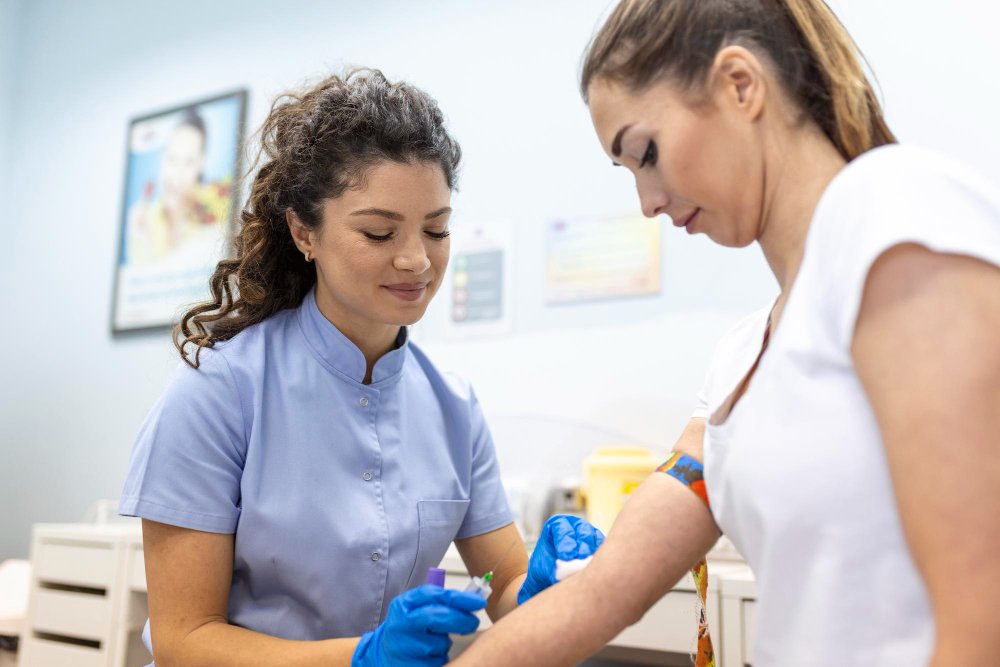
You can have blood tests on GLP-1 treatment as usual. Tell the doctor who orders your labs that you take a GLP-1, which one, and how long you have been on it. Some lab values can shift with the medication or with weight loss, so your doctor needs that context to read the results.
This guide covers which results can move, how to prepare for fasting labs when your appetite is low, what to tell the lab and your doctor, and how to keep AHC updated if a result leads to a new diagnosis or medication.
Blood Tests on GLP-1 Go Smoother With Four Habits
Tell your ordering doctor you take a GLP-1. Drink water before fasting labs unless told otherwise. Keep your normal injection schedule unless your doctor says otherwise. Tell AHC support about any new diagnosis or new medication.
Why Blood Tests on GLP-1 Need Context
A GLP-1 changes how much you eat, how fast your stomach empties and, over time, your weight. Each of these can show up in a lab report.
| What changes on a GLP-1 | How it can show up in blood tests |
| You eat less | Some nutrient levels can drift lower over months |
| Weight loss | Values linked to weight, such as blood sugar and blood fats, can change |
| Nausea, vomiting or diarrhea | Dehydration can affect kidney and electrolyte results |
| Slower stomach emptying | Absorption of some oral medicines can change, which may affect related tests |
None of this means something is wrong. Many of these shifts are expected with weight loss. Some reflect the weight loss itself, and others reflect eating less for a while. It means the person reading your blood tests on GLP-1 treatment should know you take one. Our guide to GLP-1 side effects explains the stomach effects behind several of these changes.
Lab Values That Can Shift on a GLP-1
The brand labels and studies list a few lab changes worth knowing about. This is not a guide to reading your results. Your doctor reads your blood tests on GLP-1 in light of your full history.
| Lab value | What the evidence shows |
| Lipase and amylase | The Wegovy label reports average increases. The clinical meaning without other symptoms is unknown |
| Kidney function | Kidney injury has been reported, mostly in people who were dehydrated from stomach side effects |
| Liver enzymes | In a teen trial, a few patients had large liver enzyme increases. Some were linked to gallstones |
| Thyroid tests | In one interaction study, semaglutide tablets raised levothyroxine levels in the blood |
| Iron, B12 and vitamin D | A 2026 review reported lower levels in some users. The cause is not yet clear |
These findings come from brand medication labels and studies. They do not apply directly to compounded medication. Wegovy is a trademark of its owner, and AHC does not manufacture medications.
If you take thyroid medication, our guide to thyroid health and weight loss has more background to discuss with your doctor.
Should You Fast for Labs While on a GLP-1?
Follow the fasting instructions from your lab or ordering doctor. Taking a GLP-1 does not change them on its own, and fasting blood tests on GLP-1 follow the same basic rules as anyone else’s. Many fasting blood tests ask for 8 to 12 hours without food.
Fasting labs can feel different on a GLP-1. You may already eat little, and some people feel lightheaded when they skip a meal. These tips help.
- Drink water. Water is usually allowed before fasting blood tests. Ask the lab to confirm.
- Book an early slot. Most of the fast happens while you sleep, which makes fasting blood tests on GLP-1 easier.
- Bring a snack for after. Something with protein helps you feel steady again.
- Eat a normal dinner the night before. Do not skip it to “help” the results.
- Tell staff if you feel faint. Sit or lie down for the draw if you have fainted before.
If you take medicine for diabetes along with your GLP-1, ask your doctor how to handle fasting. The risk of low blood sugar is higher when GLP-1s are combined with insulin or some other diabetes medicines. Our guide to dizziness on GLP-1 explains other reasons you may feel lightheaded.
Hydration Before Blood Tests on GLP-1
Dehydration can change kidney and electrolyte results and make veins harder to find. It can make blood tests on GLP-1 treatment show kidney and electrolyte results that look off. GLP-1s can lower thirst, so it is easy to fall behind.
| Before your draw | Why it helps |
| Drink water the day before | Supports accurate kidney and electrolyte results |
| Drink water the morning of, if allowed | Makes the blood draw easier |
| Note any vomiting or diarrhea that week | Your doctor may read kidney results differently |
| Avoid heavy exercise the day before | Hard workouts can affect some muscle and kidney markers |
Our guides to water for weight loss and electrolytes on GLP-1 have practical ways to stay ahead on fluids.
Lab Day Checklist
Use this list the week of your draw so your blood tests on GLP-1 treatment go smoothly.
- Confirm the fasting rules. Ask whether your blood tests need fasting and for how long.
- Keep your injection schedule. Do not skip or move a dose for labs unless your doctor asks.
- List your medications. Include your GLP-1, any supplements and when you started each.
- Note recent symptoms. Vomiting, diarrhea or a recent illness can affect results.
- Drink water if allowed. It helps with the draw and with accurate results.
- Plan your next meal. Have a protein snack ready for after the draw.
What to Tell Your Ordering Doctor
Your doctor reads your blood tests on GLP-1 better with the full picture. Share these details.
| Tell your doctor | Why it matters |
| Which GLP-1 you take and when you started | Some changes appear early and others over months |
| How much weight you have lost | Weight change affects several common lab values |
| Any recent stomach side effects | Dehydration can change kidney results |
| Supplements you take, such as B12 or iron | Supplements change the levels being measured |
| Any thyroid or diabetes medicines | Absorption and blood sugar can be affected |
If your doctor finds a low B12 level, our guide to B12 with semaglutide covers questions to raise with them.
Before blood tests on GLP-1 treatment, our GLP-1 protein calculator helps you plan meals that cover protein when appetite is low. Our BMI calculator lets you note your current numbers before the appointment.
What Research Shows
- Pancreatic enzymes. The Wegovy label reports average increases in amylase and lipase. Their meaning is unknown when there are no other signs of pancreatitis.
- Kidney injury. The label links most reported cases to dehydration from nausea, vomiting or diarrhea.
- Nutrient levels. A 2026 review of six studies in Clinical Obesity reported vitamin D, iron and B vitamin deficiencies in some GLP-1 users. Most of the data were observational.
- Oral medicines. The label notes slower stomach emptying may affect how some oral medicines are absorbed.
These come from brand medication labels and studies, not from research on blood tests on GLP-1 compounded medication.
What Is Still Unknown
- How often to test. No standard lab schedule exists for people on GLP-1s for weight loss.
- Compounded medications. We found no published studies on lab changes with compounded semaglutide or tirzepatide.
- Long-term nutrient trends. Most studies are short or small.
Your own doctor decides which blood tests on GLP-1 you need and how often.
How AHC Fits In After Your Blood Tests on GLP-1
AHC providers review your medical intake before prescribing. Your own doctor orders and reads your lab work. AHC’s role is keeping your GLP-1 plan current when something changes.
| After your labs | What to do |
| Your doctor diagnoses a new condition | Tell AHC support through live chat or email |
| Your doctor starts a new medication | Tell AHC support before your next order |
| Your doctor suggests a dose change | Request a dose review through AHC support. Changes are never automatic |
| You have questions about a result | Ask the doctor who ordered the test |
Never change your dose on your own, and never contact the pharmacy about dosing.
| About compounded medication Compounded semaglutide and compounded tirzepatide are prepared by state-licensed pharmacy partners held to the same quality and safety standards. They are not FDA-approved and have not been reviewed by the FDA for safety, efficacy or quality. |
When to Get Help
| Sign | What to do |
| Severe belly pain, especially spreading to the back | Seek medical care right away |
| Yellowing of the skin or eyes | Seek medical care promptly |
| Little or no urine, or dark urine with dizziness | Seek medical care for possible dehydration |
| Shaking, sweating or confusion | Treat low blood sugar if you know how, then seek care |
Results vary by individual and depend on adherence, clinical guidance and lifestyle factors.
| Questions about your GLP-1 plan? A provider consultation costs $29.99. Learn about AHC’s program and how AHC providers review each case. |
Frequently Asked Questions
Who orders blood tests on GLP-1 treatment?
Your own doctor orders and reads blood tests on GLP-1 treatment. AHC providers review your medical intake. Share any new results that change your health history with AHC support.
Should I tell AHC about abnormal lab results?
Tell AHC support about any new diagnosis or new medication that follows your blood tests on GLP-1. Questions about the result itself go to the doctor who ordered it.
Should I skip my AHC dose before a blood test?
No, unless your ordering doctor asks. Keep your normal schedule. If a dose is missed, take it if under 72 hours late and skip it if over 72 hours.
My doctor wants me on a lower dose after my labs. What now?
Request a dose review through AHC support by live chat or at [email protected]. AHC’s medical officer reviews it, and changes are never automatic.
Who should explain my lab results?
Your ordering doctor is the right person to read your blood tests on GLP-1. Contact AHC support if a result leads to a change in your health history.
My doctor started me on a thyroid or diabetes medicine. Do I tell AHC?
Yes. Tell AHC support before your next order, since some medicines interact with GLP-1s.
Does compounded medication affect lab results differently?
No studies have compared blood tests on GLP-1 brand and compounded medication. Give your doctor the same details you would for a brand GLP-1.
Should I contact the pharmacy about my lab results?
No. Customers never contact the pharmacy. Questions about your GLP-1 plan go to AHC support.
Will a lab result delay my next AHC order?
Orders process in 1 to 2 business days after approval. If a new diagnosis needs review, contact AHC support so it can be considered.
Where can I find other AHC answers?
The AHC patient FAQs cover orders, shipping and support. Live chat on the website is the fastest way to reach AHC support.
Tools to Plan Your Next Step
Two more free tools help you track progress between lab visits.
- TDEE calculator. Estimate your daily energy needs as your weight changes.
- Weight loss calculator. Note your starting point and goal to share with your doctor.
Questions about your plan? Speak with an AHC provider for $29.99.
Medical Disclaimer
This content is for informational purposes only and is not medical advice. Compounded medications are prepared by state-licensed pharmacy partners. They are not FDA-approved and have not been reviewed by the FDA for safety, efficacy or quality. Prescriptions are issued by independently contracted, U.S.-licensed clinicians following an individual medical review, and approval is never guaranteed. Results vary by individual and depend on adherence, clinical guidance, and lifestyle factors. For questions about your treatment, contact AHC support through live chat on the website or at [email protected]. If you have severe symptoms, seek medical care.