Blog
Meal Plans for Tirzepatide Patients, What to Eat and Why

Meal Plans for Tirzepatide and How to Build One
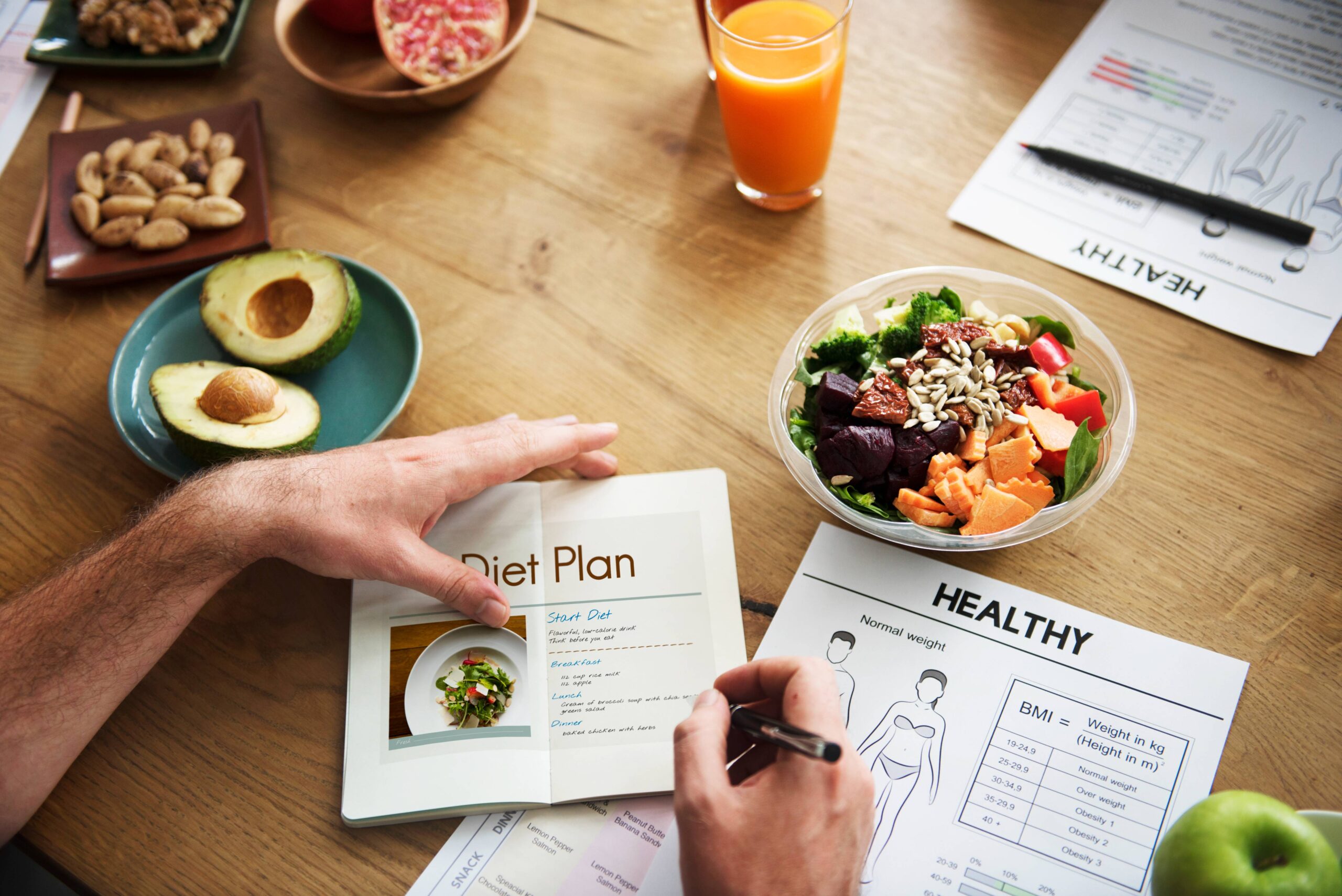
Meal plans for tirzepatide patients are not one fixed menu, and AHC does not send one with your medication. What works is a framework you fill with food you already eat, built around protein, fiber and enough fluid.
Appetite drops on treatment, so the question stops being how to eat less. It becomes how to get enough nutrition into a smaller amount of food.
Why there are no fixed meal plans for tirzepatide
Four reasons meal plans for tirzepatide are better built than borrowed, and none of them is that plans are unhelpful.
- Appetite is not steady. It changes across the week and after every dose increase, so a fixed menu stops matching reality quickly.
- Needs differ by person. Body size, activity, medical history and food preferences all change what a sensible day looks like.
- A plan you cannot follow is not a plan. Prescribed menus tend to collapse in the first busy week, and the collapse feels like failure.
- Nutrition advice is clinical. Specific targets belong to a clinician who knows your history, not to a blog post.
So this page gives the structure instead. Fill it with food you like, and it survives contact with a real week. That is the difference between meal plans for tirzepatide that last and the ones abandoned by Thursday.
What a day looks like on tirzepatide
Rather than times and menus, think in priorities. This is the frame most meal plans for tirzepatide are describing underneath the menus.
| Part of the day | What to prioritize | Why it matters on treatment |
| First meal | Protein, and something you can finish | Appetite is often lowest later, so the early meal carries more weight than it used to |
| Middle of the day | A balanced plate with protein, vegetables and a modest carbohydrate | The meal most people skip when busy, which shows up as an evening problem |
| Evening | Smaller and plainer than you are used to | Slower digestion makes a late heavy meal uncomfortable |
| Between meals | Something with protein if there is a long gap | Prevents the long gap that leaves you depleted |
| Across the whole day | Fluids, sipped steadily | Easy to forget when you are not hungry, and it affects how you feel |
No clock times appear here on purpose. Shift work, school runs and travel all break a timetable, and the priorities hold regardless of when you eat. Most meal plans for tirzepatide fail at exactly this point.
Protein comes first
If only one part of your meal plans for tirzepatide survives a busy week, this is the one worth keeping.
- It protects muscle. Some of any weight lost is lean tissue, and protein alongside resistance work is the main defense.
- It is the easiest thing to miss. When the portion is small, protein is what gets crowded out by everything else on the plate.
- Eat it first. Putting protein on the plate first means it is not the thing you run out of room for.
- Spread it out. Across the day is easier than catching up at dinner, particularly when appetite falls in the evening.
This page publishes no gram target, because needs vary by person. The GLP-1 protein calculator gives you a starting figure to take to a provider, and the macro calculator splits the rest of the plate around it.
Fiber, carbohydrates and fats
The rest of the plate matters less than protein, but it decides how comfortable the meal is. Most meal plans for tirzepatide get this part roughly right and the protein part wrong.
| Group | Good everyday choices | What to watch |
| Fiber | Vegetables, berries, oats, beans, lentils | Raise it gradually. Adding a lot at once makes bloating worse |
| Complex carbohydrates | Quinoa, brown rice, whole grains, sweet potato | Keep the portion modest so it does not crowd out protein |
| Healthy fats | Olive oil, avocado, nuts, seeds, oily fish | Satisfying in small amounts, but large amounts slow digestion further |
| Fluids | Water through the day, herbal tea | Sip steadily rather than drinking a large amount with the meal |
Nothing here is specific to the medication. It is ordinary balanced eating, made to matter more because the portions are smaller.
Foods worth limiting
Nothing is banned. These are the foods most commonly reported to cause trouble while digestion is slower, and they belong in any meal plans for tirzepatide discussion.
| Limit | Why it causes trouble | Easier swap |
| Fried and greasy food | Fat is slow to digest and tirzepatide slows stomach emptying further | Baked, grilled or roasted versions |
| Large sugary items and soda | A fast rise and fall that can unsettle the stomach | Fruit with protein or fat alongside |
| Carbonated drinks | Gas on top of a slow-moving stomach | Still water or herbal tea |
| Alcohol | Irritates the stomach lining and adds dehydration | Water, especially around injection day |
| Oversized portions | The most common cause of discomfort on treatment | A smaller plate and a slower pace |
Triggers move as you settle on a dose, so it is worth retesting rather than ruling things out permanently. The GLP-1 diet guide covers the same ground for semaglutide.
Common mistakes with meal plans for tirzepatide
Five patterns come up repeatedly, and four of them start with trying to follow someone else’s plan exactly.
| The mistake | What goes wrong | What to do instead |
| Following a fixed menu to the letter | One busy week breaks it, and the break feels like failure | Keep the structure, swap the food |
| Eating too little because appetite is low | Protein and nutrients drop with the portion size | Eat by the clock in small amounts |
| Saving your appetite for one big meal | A large meal on a slow stomach is where discomfort arrives | Spread intake across the day |
| Adding fiber all at once | Bloating and constipation get worse rather than better | Raise it over weeks, with more fluid |
| Treating a hard week as a reason to stop | Tolerance usually improves, and dose increases pass | Simplify the food for a few days and tell support if it persists |
The first one does the most damage. Meal plans for tirzepatide fail far more often because they were too rigid than because they were too loose.
Eating when you are not hungry
This is the part fixed meal plans for tirzepatide handle worst, because they assume an appetite you may not have.
- Eat by the clock rather than by hunger, in small amounts
- Put protein in first, since it is what the day most needs
- Cold or room temperature food is often easier than hot food with a strong smell
- Liquid protein such as yogurt or milk helps when solids are difficult
- Keep something plain within reach so a gap does not become a skipped meal
Eating too little is not a shortcut. The smaller the appetite, the harder it becomes to get enough nutrition, which is the whole reason meal plans for tirzepatide exist at all.
The first weeks and dose increases
Tolerance moves, so meal plans for tirzepatide should bend rather than break.
| When | What tends to happen | What helps |
| First weeks | Appetite drops fastest and the stomach is most sensitive | Plainer food, smaller portions, steady fluids |
| After a dose increase | Symptoms often return briefly | Go back to simpler meals for a few days |
| Settled on a dose | Tolerance usually improves | Widen the range of foods again, gradually |
| During illness | Intake and fluids both drop | Prioritize fluids and contact support if it does not settle |
A food that caused trouble in week two is often fine three months later. A dose increase can reverse that for a few days, which is normal rather than a setback.
What meal plans for tirzepatide cannot do
Worth saying plainly, because meal plans for tirzepatide attract claims that do not hold up.
| The claim | What is true |
| The right meal plan makes the medication work better | Food affects how comfortable you feel, not how the medication works |
| A meal plan comes with treatment | AHC sends dosage instructions after provider approval, not meal plans |
| Supplements are needed alongside | AHC does not recommend supplements for this. List anything you take on your intake so the provider review sees it |
| Eating a certain way changes your dose | Dose decisions are clinical and reviewed by AHC’s medical officer |
| A plan guarantees a result | Results vary by individual and depend on adherence, clinical guidance, and lifestyle factors |
AHC prescribes compounded tirzepatide following a review by a licensed provider, who retains full discretion to approve or decline.
Compounded medications are prepared by state-licensed compounding pharmacies. They are not FDA-approved and have not been reviewed by the FDA for safety, efficacy, or quality.
If you are postpartum, pregnant or perimenopausal
This page is often read by women at those stages, so it is worth being direct about what general eating advice does not cover.
- GLP-1 treatment during pregnancy or breastfeeding is a clinical decision, not a lifestyle one
- Nutritional needs at those stages are individual and belong with a clinician who knows your history
- Raise it on your intake, and tell any clinician treating you that you take a GLP-1
- Contact AHC support if your circumstances change during treatment
No meal framework replaces that conversation, and nothing on this page is written for it. Meal plans for tirzepatide are general guidance, and those stages are not general situations.
When food is not the problem
Some symptoms need support rather than a different plate.
- Nausea or vomiting that is severe, or that stops you keeping fluids down
- Constipation that does not settle after raising fiber and fluids gradually
- Severe or lasting abdominal pain
- Dizziness, fainting or signs of dehydration
Contact AHC support through live chat on the website or at [email protected], and seek medical care if symptoms are severe. AHC’s medical officer reviews clinical questions.
Thinking about treatment? A licensed provider reviews every order and decides whether treatment is appropriate. Begin your evaluation to find out where you stand.
The short version. Meal plans for tirzepatide work better as a framework than a menu. Protein first, fiber raised slowly, fluids through the day, smaller and plainer meals early on. No fixed plan comes with treatment, and none is required.
Frequently asked questions
Does AHC send meal plans for tirzepatide patients?
No. AHC sends dosage instructions by email after provider approval. No meal plan comes with treatment and none is required.
What should I eat on tirzepatide?
Meal plans for tirzepatide work best built around protein first, then vegetables and fiber, then a modest portion of complex carbohydrate and some healthy fat.
How much protein should I eat?
That depends on your body and your situation, so this page publishes no gram target. Use the GLP-1 protein calculator for a starting figure and confirm it with a provider.
Are meal plans for tirzepatide different from semaglutide?
Not meaningfully. Both slow digestion and lower appetite, so the same framework applies to either.
What foods should I limit?
Fried and greasy food, large sugary items and soda, carbonated drinks, alcohol, and portions larger than your appetite now wants.
Should I eat if I am not hungry?
Yes, in small amounts. Skipping meals because appetite is low makes it harder to get enough protein and nutrients into the day.
How much water should I drink?
Enough that you are not thirsty or lightheaded, sipped through the day. No fixed number applies to everyone, and your clinician can advise on your situation.
Do I need supplements on tirzepatide?
AHC does not recommend supplements for this. If you take any, list them on your intake, because the provider review runs on what you disclose.
Why am I tired on tirzepatide?
Lower intake is one possible reason among several. If it persists, contact AHC support rather than treating it as something to eat your way out of.
Can I follow a 7 day plan I found online?
You can, but most meal plans for tirzepatide collapse in the first busy week. A framework you adapt tends to last longer than a menu you abandon.
Does eating a certain way change my dose?
No. Dose decisions are clinical and reviewed by AHC’s medical officer. Food affects comfort, not your prescription.
What if meals keep making me feel unwell?
That is worth raising rather than working around. Contact AHC support, and seek medical care if symptoms are severe.
Should I weigh or track my food?
Not necessarily. Building the plate in the right order does most of the work, and tracking is only worth doing if it helps rather than adds pressure.
Questions about your own plan? Book a provider consultation for $29.99, or contact AHC support through live chat on the website or at [email protected].
Medical Disclaimer
Compounded medications are prepared by state-licensed compounding pharmacies. They are not FDA-approved and have not been reviewed by the FDA for safety, efficacy, or quality. Results vary by individual and depend on adherence, clinical guidance, and lifestyle factors. This content is for informational purposes only and is not medical advice or a nutrition plan. Clinical services are provided by independently contracted, U.S.-licensed clinicians. Speak with a licensed provider about your individual situation. If you experience severe symptoms, seek medical care. For questions about your treatment, contact AHC support through live chat on the website or at [email protected]