
Blog
Food Cravings and How to Handle Them

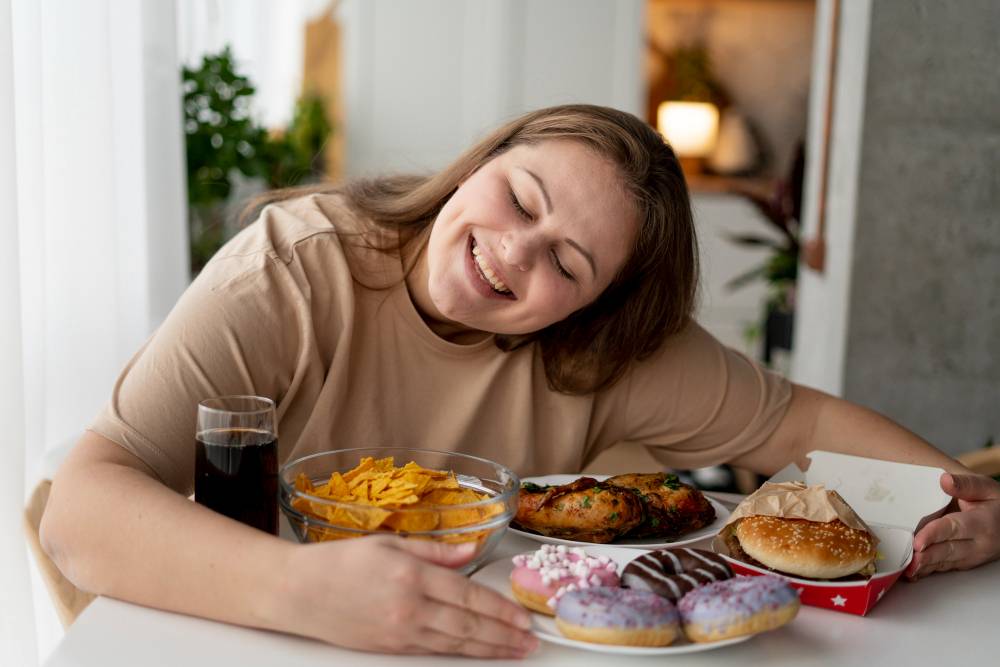
Food Cravings, Why They Happen and What Helps
Food cravings are an intense pull toward one specific food, and they are different from hunger. They usually have a cause you can name, most often a dip in blood sugar, short sleep, stress or plain thirst.
That matters because a craving with a cause has a response. Willpower is rarely the missing piece, and treating it as one is why most advice on this fails.
Why food cravings happen
Six drivers cover almost all food cravings. Working out which one is in play tells you what to do about it.
| Driver | What is going on | The clue it is this one |
| Blood sugar dips | Eating little earlier in the day leaves energy low, and the brain asks for fast sugar | Afternoon and evening cravings after a light breakfast or a skipped lunch |
| Short sleep | Sleep loss shifts the hunger and fullness hormones, ghrelin and leptin | Cravings that are worse the day after a bad night |
| Stress | Sustained stress raises cortisol, which pushes toward heavier, comforting food | Cravings tied to a hard day rather than to the clock |
| Thirst | Mild dehydration is easily read as hunger | A sudden urge that fades after a glass of water |
| Habit and cues | A time, a place or an activity has been paired with a food often enough to trigger it | The same craving at the same moment every day |
| Restriction | Banning a food raises its pull rather than lowering it | The craving is specifically for the food you have cut out |
More than one can be running at once. A short night and a skipped lunch on a stressful day is not three small problems, it is one large craving.
Food cravings and hunger are not the same thing
Telling food cravings and hunger apart is the most useful skill here, because the two need different responses.
| Hunger | A craving | |
| How it arrives | Builds gradually | Arrives suddenly |
| What will satisfy it | Most foods will do | Only one specific food will do |
| Where you feel it | Stomach, with physical signs | Mostly in your head, and it can happen on a full stomach |
| What happens if you wait | Grows steadily stronger | Often peaks and passes |
| How you feel after eating | Satisfied | Sometimes still unsettled |
If it is hunger, eat. That is not a failure of discipline, it is the correct response. The strategies below are for the other column.
What to do when food cravings hit
Five steps, in order. Most food cravings do not survive the first three.
- Drink a glass of water. Thirst is the most commonly missed cause, and this rules it out in a couple of minutes.
- Change what you are doing. Step outside, stretch, or move to another room. Cravings tend to fade when the cue is interrupted.
- Name the driver. Ask whether you are tired, stressed, thirsty or genuinely under-fed today. The answer usually decides the next step.
- Eat if you have not eaten. A craving on an empty stomach is a signal, not a temptation. Protein and fiber settle it more reliably than sugar.
- Choose on purpose if it stays. Having the food deliberately, sitting down, is a different act from eating it standing up while resisting it.
Cravings usually pass on their own if you give them a little time, which is why the order matters more than the willpower.
What reduces food cravings over the following weeks
In-the-moment tactics manage a single craving. These reduce how often food cravings show up at all.
- Eat regularly through the day. The most common cause of an evening craving is not eating enough earlier. Front-loading the day tends to quieten the evening.
- Build meals around protein, fiber and fat. This combination keeps blood sugar steadier than carbohydrate alone, which flattens the dips that trigger cravings.
- Protect your sleep. Short sleep shifts hunger hormones the next day. Fixing sleep does more for cravings than most food rules do.
- Give stress somewhere else to go. A walk, a shower or ten minutes of quiet gives the impulse a different outlet.
- Stop banning foods outright. Restriction raises the pull. Planning a food in is usually more effective than ruling it out.
If you want a starting point for meal balance, the macro calculator splits protein, fat and carbohydrate for you, and the GLP-1 protein calculator gives a protein target to build meals around.
When food cravings hit hardest
Most people have a predictable window rather than random cravings. Finding yours removes most of the guesswork.
| When | Why it happens then | What helps most |
| Mid to late afternoon | The gap since lunch, or a lunch that was too light | A bigger, more balanced lunch rather than an afternoon fix |
| Evening on the sofa | A strong habit cue, often paired with a screen | Change the cue. Eat at the table, or keep hands busy |
| The day after poor sleep | Hunger and fullness hormones shift overnight | Expect it, eat regular meals, and do not treat it as a failure |
| Under a deadline | Stress pushing toward heavier comfort food | A short walk or a break before deciding anything about food |
| Certain points in the menstrual cycle | Hormonal shifts change appetite and preference | Plan for it rather than fight it. It passes |
| Social and celebration meals | Pace and portion sizes are set by other people | Eat normally beforehand so you arrive fed, not starving |
If your food cravings cluster in one of these windows, that window is where the fix belongs. Changing what happens at three in the afternoon rarely works if the cause was breakfast.
Working out your own pattern
A week of light notes beats any generic list of tips, because your drivers may not be the common ones.
- Note the time. When the craving arrives is usually the biggest clue to what caused it.
- Note what you ate earlier. Especially breakfast and lunch. Under-eating earlier is the most common single cause.
- Note sleep and stress. A rough one to ten is enough. Precision is not the point.
- Note what you did about it. Including when you ate the thing. That is data, not a verdict.
Keep it to a few words a day. This is a short exercise to find a pattern, not a food diary to keep running, and it is not worth doing if the tracking itself becomes stressful.
Swaps that satisfy the same craving
A swap works when it matches what the craving is asking for, rather than just being healthier. That is why most food cravings swap lists disappoint.
| Craving | What it usually wants | Swap worth trying |
| Something sweet | Fast sugar after an energy dip | Fruit with yogurt or nut butter, which slows the rise |
| Something salty and crunchy | Texture and salt more than the food itself | Air-popped popcorn, roasted chickpeas, nuts |
| Something creamy | Fat and mouthfeel | Greek yogurt, avocado, a small portion of the real thing |
| Something fizzy and sweet | The drink habit as much as the sugar | Sparkling water with a splash of juice |
| Chocolate specifically | Often genuinely chocolate | A small amount of the real thing, eaten sitting down |
The last row is the honest one. Some cravings are for a specific thing, and a substitute prolongs the search rather than ending it.
What does not work
Four approaches to food cravings are repeated everywhere and tend to backfire.
| Approach | Why it fails |
| Relying on willpower | Willpower runs down across a day, which is exactly when cravings peak |
| Banning the food completely | Restriction raises the pull. The craving becomes specific to the banned food |
| Waiting it out while genuinely hungry | If the body is under-fed, the craving is correct and it will keep escalating |
| Caffeine or a detox drink to suppress it | Suppressing appetite without addressing the driver usually delays the craving rather than removing it |
Eating well does not mean eating less of everything. Cravings often signal that something is missing rather than that something needs cutting.
Food cravings on a GLP-1
GLP-1 medications change appetite signalling, and many people describe the constant background chatter about food getting quieter.
- What tends to change. Cravings often become less frequent and less loud, because fullness signalling and stomach emptying both shift.
- What does not change. The drivers above still apply. Short sleep, stress and skipped meals still produce cravings on treatment.
- The new risk. Appetite falls, so meals get skipped and protein gets missed. That produces exactly the dips that trigger cravings later.
- What it is not. A medication is not a substitute for the basics. It changes the signal, not the sleep, the stress or the meal pattern.
If the mechanism is new to you, start with what a GLP-1 medication does. AHC prescribes compounded semaglutide and compounded tirzepatide after a licensed provider reviews your intake, and a provider retains full discretion to approve or decline.
Compounded medications are prepared by state-licensed compounding pharmacies. They are not FDA-approved and have not been reviewed by the FDA for safety, efficacy, or quality.
Cravings, emotional eating and when to ask for help
Food cravings and emotional eating overlap, but they are not the same thing, and one of them benefits from more than a tactic list.
- A craving is a pull toward a specific food, and it usually passes
- Emotional eating is using food to manage a feeling, and the food is often incidental
- Both can happen at once, particularly when stress is the driver
AHC has a separate guide on breaking free from emotional eating if that is the closer description.
If eating regularly feels out of your control, or if thinking about food is taking up a large part of your day and causing distress, that is worth raising with a clinician. It is a common thing to ask about and there is support for it.
Cravings part of a bigger picture? A licensed provider reviews every order and decides whether treatment is appropriate. Begin your evaluation to find out where you stand.
The short version. Food cravings are usually driven by low intake earlier in the day, short sleep, stress or thirst. Water first, interrupt the cue, name the driver, and eat properly if you have not. Willpower is the least useful tool in the set.
Frequently asked questions
What causes food cravings?
Most come from a dip in blood sugar after eating too little earlier, short sleep shifting hunger hormones, stress raising cortisol, thirst mistaken for hunger, habit cues, or having banned the food.
How do I tell a craving from real hunger?
Hunger builds gradually and most foods will satisfy it. A craving arrives suddenly, wants one specific food, and can happen on a full stomach.
How long do food cravings last?
They usually peak and then fade if you give them a little time, which is why interrupting the moment works more often than trying to out-argue it.
Does drinking water stop cravings?
Sometimes. Mild dehydration is easily mistaken for hunger, so a glass of water rules out the simplest cause in a couple of minutes.
Why do I crave sugar in the afternoon?
It is usually the day catching up with you. A light breakfast or a skipped lunch shows up later as a pull toward fast sugar.
Do food cravings mean my body needs that nutrient?
Rarely. The idea is popular and poorly supported. Cravings track habit, stress, sleep and intake far more closely than they track nutrients.
Should I just avoid the foods I crave?
Banning a food usually raises its pull. Planning it in deliberately tends to work better than ruling it out.
Do GLP-1 medications stop food cravings?
Many people report that food takes up less mental space on treatment. The underlying drivers still apply, so sleep, stress and regular meals still matter.
Can I still get food cravings on a GLP-1?
Yes. Appetite is lower, but a short night or a skipped meal can still produce one. Missing meals on treatment can make it more likely, not less.
Do cravings mean I have no willpower?
No. They are driven by hormones, sleep, stress and intake. Willpower is the least useful tool in the set and it runs down across the day.
What if cravings are wrecking my progress?
Look at the day before the craving rather than the moment itself. Under-eating earlier is the single most common cause.
When should I speak to a clinician about this?
If eating feels out of your control, or thoughts about food take up a large part of your day and cause distress, raise it with a clinician. It is a common thing to ask about.
Want to talk it through? Book a provider consultation for $29.99, or contact AHC support through live chat on the website or at [email protected].
Medical Disclaimer
Compounded medications are prepared by state-licensed compounding pharmacies. They are not FDA-approved and have not been reviewed by the FDA for safety, efficacy, or quality. Results vary by individual and depend on adherence, clinical guidance, and lifestyle factors. This content is for informational purposes only and is not medical advice or a nutrition plan. Clinical services are provided by independently contracted, U.S.-licensed clinicians. Speak with a licensed provider about your individual situation. If you experience severe symptoms, seek medical care. For questions about your treatment, contact AHC support through live chat on the website or at [email protected]