
Blog
How to Read Your Compounded GLP-1 Vial Label

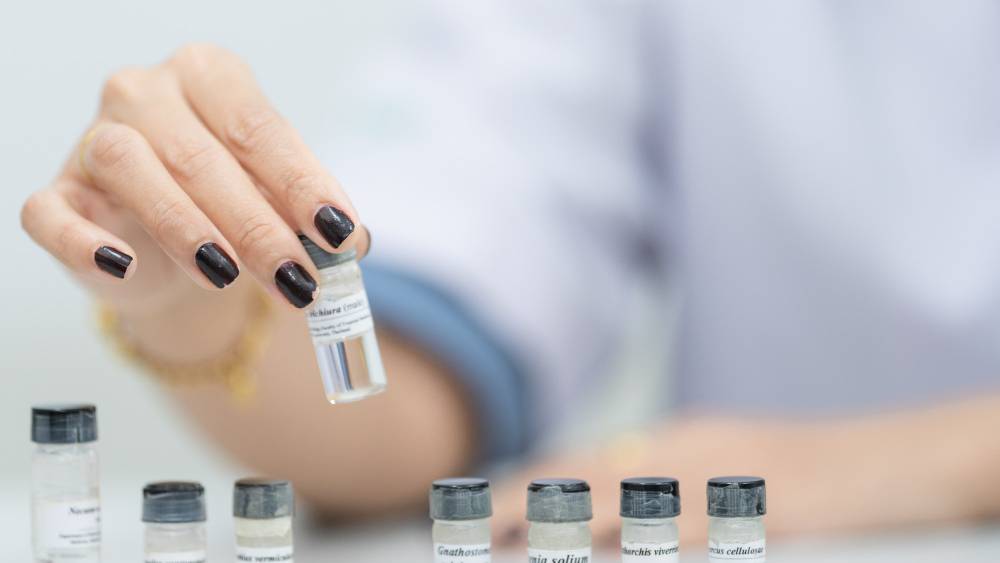
Your compounded GLP-1 vial label lists the medication, its concentration in milligrams per milliliter, the total amount in the vial, a lot number, a beyond-use date, and storage instructions. The concentration is the number that matters most, because it links the milligrams your provider prescribes to the units you draw on the syringe. The label names the product, not your dose.
Compounded medications are prepared by state-licensed compounding pharmacies. Compounded semaglutide and tirzepatide are not FDA-approved and have not been reviewed by the FDA for safety, efficacy, or quality.
Your medication arrives, you open the box, and you are holding a small glass vial covered in numbers. If you have taken a branded pen before, this looks different, and that is normal. Learning to read your compounded GLP-1 vial label takes two minutes and removes a lot of first-week worry. This guide walks through every field on the label, what each number means, and the one line that matters most for using your semaglutide or tirzepatide safely.
Key takeaways
- Your compounded GLP-1 vial label names the medication and its concentration, not your dose.
- Concentration is written in milligrams per milliliter (mg/mL) and is the most important number to read.
- Units on an insulin syringe measure liquid volume. Milligrams measure the medication itself.
- The beyond-use date, lot number, and storage line all matter. Check them the day your vial arrives.
- Your prescribed dose is sent by email after a provider approves your treatment. Always confirm it with your provider.
Table of Contents
What is on a compounded GLP-1 vial label?
A compounded GLP-1 vial label carries seven pieces of information. Read them in order the day your shipment arrives. The table below shows what each field means and what to check.
| What you see | What it means | What to check |
| Medication name | The GLP-1 medication plus Vitamin B12 (for example, semaglutide with B12). | It matches the treatment you were prescribed. |
| Concentration (mg/mL) | How much medication is in each milliliter of liquid. | This number links your milligram dose to syringe units. |
| Total amount (mg) | The total medication contained in the full vial. | It reflects a supply designed to last your cycle. |
| Fill volume (mL) | How much liquid the vial holds. | Concentration multiplied by volume equals the total mg. |
| Lot or batch number | A code that traces the vial to its production batch. | Keep it in case you ever contact support. |
| Beyond-use date | The date after which the vial should not be used. | Do not use the vial past this date. |
| Storage | How to keep the vial, which is refrigerated. | Follow it from the moment your vial arrives. |
One field does more work than the others: the concentration. It is the bridge between the milligrams your provider prescribes and the units you draw on a syringe. The FDA notes that a single compounder may offer more than one concentration, so two people on the same medication can hold vials that read differently. That is why you read your own label rather than copy someone else’s numbers.
What do the medication name and formula mean?
Every compounded GLP-1 vial label starts with the medication name. It shows the GLP-1 medication, either semaglutide or tirzepatide, combined with Vitamin B12 in a single vial. If you see both listed, that is the standard combined formula, not an error. To understand how a compounded medication differs from a branded product, see our plain guide to what “compounded” means.
Because these medications are compounded, they are not FDA-approved. That does not mean unregulated. A state-licensed compounding pharmacy prepares them under quality and safety standards. It does mean the label and the numbers on it are yours to understand, which is what the rest of this guide covers.
What does the concentration on your label mean?
Concentration is the value on your compounded GLP-1 vial label written in milligrams per milliliter, shown as mg/mL. A label that reads 5 mg/mL means every 1 mL of liquid contains 5 mg of medication. It describes the strength of the liquid, and it is not the same as your dose.
Here is why concentration matters so much. A more concentrated vial delivers the same milligram dose in fewer units of liquid. So the same 20 units on a syringe can contain different amounts of medication depending on the vial in your hand. Two vials can hold the same total milligrams and still read different concentrations. This is the single most common source of confusion with compounded GLP-1 medications, and it is why the number on your own compounded GLP-1 vial label is the only one that applies to you.
Units vs milligrams: why your syringe and label differ
Your label speaks in milligrams. Your insulin syringe speaks in units. The two measure different things. Milligrams describe the amount of medication. Units mark the volume of liquid on the syringe. A standard U-100 insulin syringe holds 100 units in 1 mL. Concentration is the bridge that connects the two.
This gap between milligrams and units is not a small technicality. The FDA has warned that confusion between milliliters, milligrams, and units contributed to dosing errors with compounded semaglutide, with some people receiving five to 20 times more than the intended dose. In reported cases, patients drew 50 units when they meant to draw 5, and adverse effects ranged from severe vomiting and dehydration to hospitalization. Reading your label, and confirming your dose with your provider, is how you stay on the safe side of that gap.
Do not calculate or change your dose on your own. To turn the milligrams your provider prescribes into syringe units for your vial’s concentration, use our mg-to-units converter, and always follow the exact instructions your provider sends you by email.
Why your vial lists Vitamin B12
The AHC formula combines the GLP-1 medication with Vitamin B12 in one vial, so seeing B12 on your label is expected. Vitamin B12 can give the liquid a pale pink or light yellow tint. A slight color is normal for a B12 formula and is not a sign that anything is wrong. If the liquid looks cloudy, has particles, or has changed since it arrived, do not use it and contact support.
Beyond-use date, lot number, and storage
Three more fields on your compounded GLP-1 vial label deserve a look. A manufactured drug carries an expiration date, while a compounded medication carries a beyond-use date instead, which is the point after which the preparation should not be used. Beyond-use dating follows United States Pharmacopeia standards for compounded preparations. The rule for you is simple: do not use a vial past its beyond-use date.
The lot or batch number traces your vial to the batch it came from. You will rarely need it, but keep it if you ever contact support about your medication. The storage line tells you to refrigerate the vial. Each GLP-1 vial is designed to cover a 28-day period once you begin, so storing it correctly protects the full cycle. For the details, see how to keep your medication cold in our guide to storing compounded semaglutide, and what to expect from one vial in how long a GLP-1 vial lasts.
What should not be on your label, and when to call your provider
A legitimate compounded GLP-1 vial label names the medication and its concentration, and it shows a lot number, a beyond-use date, and storage instructions. It comes from a state-licensed compounding pharmacy held to quality and safety standards. If any of those pieces are missing, the label is smudged or unreadable, or the contents do not match your prescription, treat that as a reason to pause.
If the numbers on your vial do not match what your provider told you, or anything about the vial looks off, do not use it. Contact AHC support through live chat on the website or by email at [email protected], and never estimate or self-calculate a dose. A quick message is always safer than a guess.
Frequently asked questions
Is my compounded GLP-1 vial FDA-approved?
No. Compounded semaglutide and tirzepatide are prepared by state-licensed compounding pharmacies and are not FDA-approved or reviewed by the FDA for safety, efficacy, or quality.
What does mg/mL mean on my semaglutide vial?
It is the concentration, or how much medication is in each milliliter of liquid. A vial that reads 5 mg/mL contains 5 mg of medication in every 1 mL.
Does the label tell me my dose?
No. The label describes the product. Your prescribed dose is sent to you by email after a provider approves your treatment.
Why does my label list Vitamin B12?
The AHC formula combines the GLP-1 medication with Vitamin B12 in one vial, so B12 belongs on the label.
Why is my compounded semaglutide pink or yellow?
Vitamin B12 can give the liquid a pale color. A slight tint is normal. Contact support if the liquid looks cloudy or has particles.
What is a beyond-use date?
It is the date after which a compounded vial should not be used. Do not use a vial past its beyond-use date.
How many units should I draw from my vial?
Follow the exact instructions your provider sends you, and use the mg-to-units converter to check your math. Never estimate from another person’s vial.
Why do two people on semaglutide have different numbers on their vials?
Because a compounder may offer more than one concentration, so the same dose can be a different number of units on each vial.
How long does one vial last?
Each GLP-1 vial is designed to cover a 28-day period once you begin. Storing it correctly protects the full cycle.
What should I do if my label is damaged or missing information?
Do not use the vial. Contact AHC support so the team can help.
Where is my lot number and why does it matter?
It is printed on the label and traces your vial to its batch. Keep it in case you contact support.
Medical Disclaimer
This article is for general education and is not medical advice. Compounded medications are not FDA-approved and have not been reviewed by the FDA for safety, efficacy, or quality. Results vary by individual and depend on adherence, clinical guidance, and lifestyle factors. Always follow the dosing instructions your provider sends you, and contact AHC support at [email protected] with any questions about your treatment.