
Blog
Semaglutide Pen or Vial and Why AHC Ships Vials

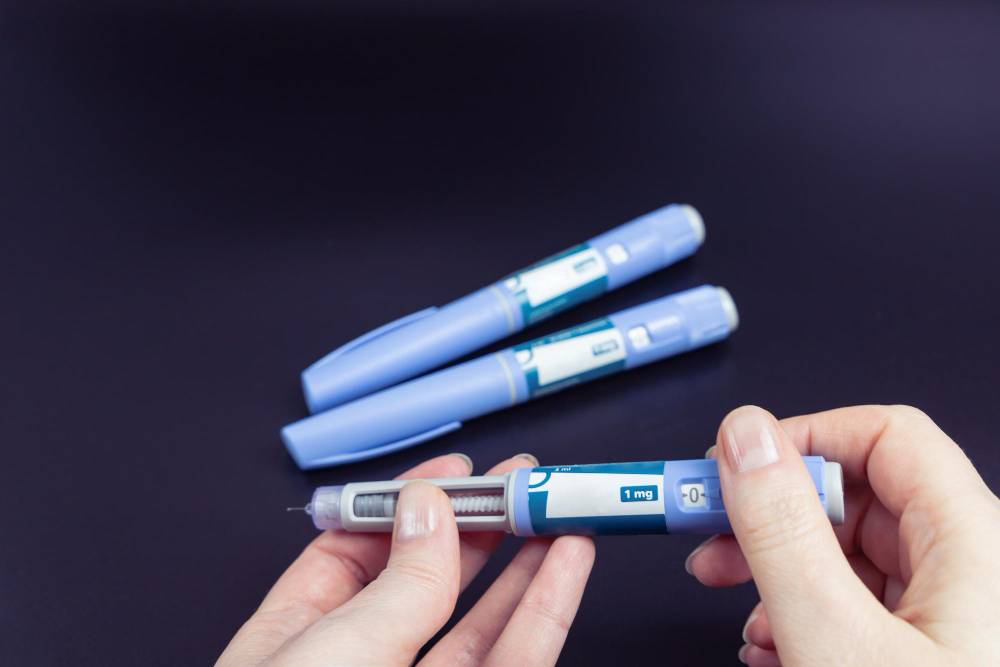
Table of Contents
Semaglutide Pen or Vial, What Is the Difference
A semaglutide pen is a prefilled device with a dial that sets the dose. A vial is a sealed glass bottle you draw from with a separate syringe. AHC ships vials, and that is a consequence of how compounded medication is prepared rather than a compromise.
The medication goes into the same place either way, just under the skin. What differs is the device around it, the supplies in the box and where your dose instructions come from.
Semaglutide pen or vial, the practical difference
Five things separate a semaglutide pen from a vial, and only one of them affects the injection itself.
| Prefilled pen | Vial and syringe | |
| What it is | A sealed device holding the medication with a dial built in | A sealed glass bottle of medication |
| How the dose is set | Dialed on the device | Drawn into a separate insulin syringe |
| What arrives | The pen and pen needles | The vial and syringes |
| Who supplies it this way | Branded manufacturers | Compounding pharmacies, including the partners AHC works with |
| Where it is injected | Subcutaneous, just under the skin | Subcutaneous, exactly the same |
The last row is the one people most want confirmed. The format is the packaging around the medication, not a different route into the body, and that holds whether you are using a semaglutide pen or a vial.
Why compounded medication comes in a vial
There are three reasons AHC ships vials rather than a semaglutide pen, and none of them is that a vial is second best.
- Pen devices are proprietary. The auto-injector hardware is designed and patented by the manufacturers of branded products. It is not hardware a compounding pharmacy can buy in and fill.
- Sterile compounding produces liquid medication. Medication compounded to order is prepared as a sterile solution and filled into vials. The vial is the standard output of that process.
- One vial covers the treatment period. Each AHC GLP-1 vial is designed to cover a 28 day period, so the multi-dose format matches how treatment is taken.
One correction worth making, because it appears in a lot of writing on this topic. AHC is a telehealth platform, not a pharmacy. Medication is prepared by state-licensed pharmacy partners held to the same quality and safety standards, and compounded semaglutide is dispensed only after a licensed provider reviews your intake.
Compounded medications are prepared by state-licensed compounding pharmacies. They are not FDA-approved and have not been reviewed by the FDA for safety, efficacy, or quality.
What arrives in an AHC box
If you have only ever seen a semaglutide pen, the contents look different but the job is the same.
- A sealed glass vial containing your medication
- Insulin syringes for drawing and injecting each dose
- Cold chain packaging, including ice packs that are not expected to arrive frozen
- Your dosage instructions, which arrive separately by email after provider approval
AHC’s formula is the GLP-1 medication plus Vitamin B12 in a single vial, which is why the solution has a pink to light red tint rather than being colorless. There is more on why the formula includes Vitamin B12.
What the vial format changes day to day
Four things work differently from a semaglutide pen, and all four are manageable once you know them.
| What changes | With a vial | What it means for you |
| Preparation | A short routine before each injection | A few extra minutes on injection day |
| Storage | A glass vial kept refrigerated and away from light | The same fridge rules a pen needs, with no device to protect |
| Inspection | You can see the solution clearly through the glass | Easier to check the medication before each dose |
| Supplies | Syringes are separate from the medication | Keep track of what you have before you run low |
Storage is the part worth getting right from day one. The guide to storing compounded semaglutide covers the fridge, travel and what to do if something goes wrong.
Does the format change how well it works
No. Whether the medication came from a semaglutide pen or a vial, it works the same way once it is under the skin.
- Same route. Both deliver medication into subcutaneous tissue. Nothing about the device changes where it ends up.
- Same handling principles. Cold storage, protection from light and a clean technique matter regardless of format.
- Different regulatory status. This is the real difference. Compounded medication is not FDA-approved, and the trial results reported for branded products do not transfer to it.
- No equivalence claim. AHC does not claim its compounded medication is the same as any branded product, in a pen or otherwise.
Results vary by individual and depend on adherence, clinical guidance, and lifestyle factors. The container it arrived in is not one of those factors.
Can I get a semaglutide pen from AHC
No. AHC dispenses compounded medication in vials only, and there is no pen option to request.
- Prefilled pens are branded products, supplied through their manufacturers
- If a pen is what you want, that is a conversation with a prescriber who can write for a branded product
- Insurance coverage is usually the deciding factor in whether that route is realistic
- AHC cannot fill a branded prescription or supply pen hardware in any circumstance
That is a straight answer rather than a sales one. Knowing that AHC has no semaglutide pen option is as useful as knowing what it does offer, because it saves you asking.
The GLP-1 pen formats you may have seen
Not every GLP-1 pen works the same way, which adds to the confusion when people compare them with a vial.
| Format | How it works | Where you see it |
| Multi-dose dial pen | One device holds several doses. You dial the dose and attach a new needle each time | Several branded GLP-1 products |
| Single-dose pen | One device, one dose, discarded after use | Some branded products at certain doses |
| Vial and syringe | A sealed bottle plus separate insulin syringes | Compounded medication, including AHC |
Whichever GLP-1 pen someone is describing, the medication still goes into subcutaneous tissue. The device decides how the dose is measured, not what happens after the injection.
Moving from a GLP-1 pen to a vial
If you have used a pen before, one habit has to change, and it is the important one.
- Do not convert your old pen dose yourself. Your AHC dose comes from your dosage email after provider approval. Working it out from what you used to dial is not safe and is not how the process works.
- Expect a short preparation routine. A pen removes that step. A vial adds a few minutes on injection day, which most people settle into quickly.
- Tell the provider what you were taking. Put your previous treatment on the intake. The review runs on what you disclose.
- Keep the same weekly rhythm. The injection day matters more than the device. Same day each week, whichever format you are using.
The provider review is what sets your starting point, not your history with a semaglutide pen. Raising it at intake is useful context, but it is not a dose instruction.
Needles, syringes and disposal
A vial changes what you are handling, so the basics are worth stating once.
- Use a new syringe for every injection and never reuse one
- Never share syringes or medication with anyone, for any reason
- Put used syringes straight into a sharps container rather than a household bin
- Check your local rules for sharps disposal, which vary by state and by county
- Contact AHC support if you are running low on supplies before your next order
None of this is different in principle from a semaglutide pen, which also uses a fresh needle each time. It is just more visible when the parts arrive separately.
What people get wrong about vials
Four assumptions come up repeatedly, usually from people used to a semaglutide pen, and each one is worth correcting.
| The assumption | What is true |
| A vial means mixing something yourself | No. The medication arrives as a ready solution. Nothing is mixed, diluted or reconstituted at home |
| A vial lets you choose your own dose | No. Your dose is prescribed and sent by email. The syringe is a measuring tool, not a decision |
| Pens are safer than vials | Both are safe when used as instructed. A pen is more forgiving of rushed technique, which is an argument for slowing down rather than for a device |
| A vial means lower quality medication | The format reflects how compounded medication is prepared, not the standards it is prepared under |
The second one matters most. Having the medication in a vial does not hand you control of the dose, and treating it that way is how people get into trouble.
Where your dose comes from
This is the same whether you use a semaglutide pen elsewhere or a vial from AHC.
- A provider reviews your intake. They retain full discretion to approve or decline based on your medical history and intake answers.
- The prescription is recorded. Once approved, it is recorded in AHC’s system.
- Your dosage instructions arrive by email. They come from AHC after approval. They are not printed on the vial for you to interpret.
- Changes go through support. Contact live chat or [email protected]. AHC’s medical officer reviews every request.
Nothing about the vial format changes that sequence, and nothing about a semaglutide pen would either. The device is the last part of the process, not the part that decides anything.
Considering treatment? The weight loss calculator shows where you are starting from, and a licensed provider decides whether treatment is appropriate. Begin your evaluation when you are ready.
The short version. A semaglutide pen is a prefilled device. A vial is a glass bottle you draw from. AHC ships vials because pen hardware is proprietary to branded manufacturers and compounded medication is prepared as a sterile solution. Same injection site, different packaging, and your dose always comes from your email.
Frequently asked questions
Does AHC offer a semaglutide pen?
No. AHC dispenses compounded medication in vials with syringes. Prefilled pens are branded products supplied through their manufacturers.
Why does compounded semaglutide come in a vial and not a semaglutide pen?
Pen hardware is patented by the manufacturers of branded products, so compounding pharmacies cannot fill it. Compounded medication is prepared as a sterile solution and filled into vials.
Is a vial as good as a semaglutide pen?
Both a semaglutide pen and a vial deliver medication into subcutaneous tissue in the same way. The meaningful difference is regulatory, since compounded medication is not FDA-approved.
Do I have to mix anything myself?
No. The medication arrives as a ready solution. Nothing is mixed, diluted or reconstituted at home.
Can I choose my own dose because it is in a vial?
No. Your dose is prescribed and sent to you by email after provider approval. Contact support if you want it reviewed.
How many doses are in one vial?
Each AHC GLP-1 vial is designed to cover a 28 day period.
Why is my vial pink when a semaglutide pen is clear?
AHC’s formula is the GLP-1 medication plus Vitamin B12, and B12 gives the solution a pink to light red tint. That is expected.
Are syringes included?
Yes. Insulin syringes arrive with the medication, alongside cold chain packaging.
Is a semaglutide pen safer than a vial?
Both are safe when used as instructed. A pen is more forgiving of rushed technique, which is a reason to take your time rather than a reason to change format.
Can AHC fill a prescription for a branded semaglutide pen?
No. AHC cannot fill a branded prescription or supply pen hardware in any circumstance.
What if I find the vial difficult to manage?
Contact AHC support through live chat or [email protected] rather than improvising. The medical officer reviews questions of this kind.
Do I need a sharps container?
Yes. Used syringes should go into a sharps container rather than a household bin, and disposal rules vary by state and county.
Is a vial cheaper than a semaglutide pen?
Pricing is set out on the AHC product pages. This page does not compare costs against branded products, because the two are different products with different regulatory status.
Does the vial need refrigerating like a semaglutide pen does?
Yes. Keep it refrigerated, away from light and never frozen, and check it against a light before each injection.
Questions about your own order? Book a provider consultation for $29.99, or contact AHC support through live chat on the website or at [email protected].
Medical Disclaimer
Compounded medications are prepared by state-licensed compounding pharmacies. They are not FDA-approved and have not been reviewed by the FDA for safety, efficacy, or quality. Results vary by individual and depend on adherence, clinical guidance, and lifestyle factors. This content is for informational purposes only and is not medical advice. Clinical services are provided by independently contracted, U.S.-licensed clinicians. Speak with a licensed provider about your individual situation. If you experience severe symptoms, seek medical care. For questions about your treatment, contact AHC support through live chat on the website or at [email protected]