
Blog
Waist to Height Ratio Chart and Calculator

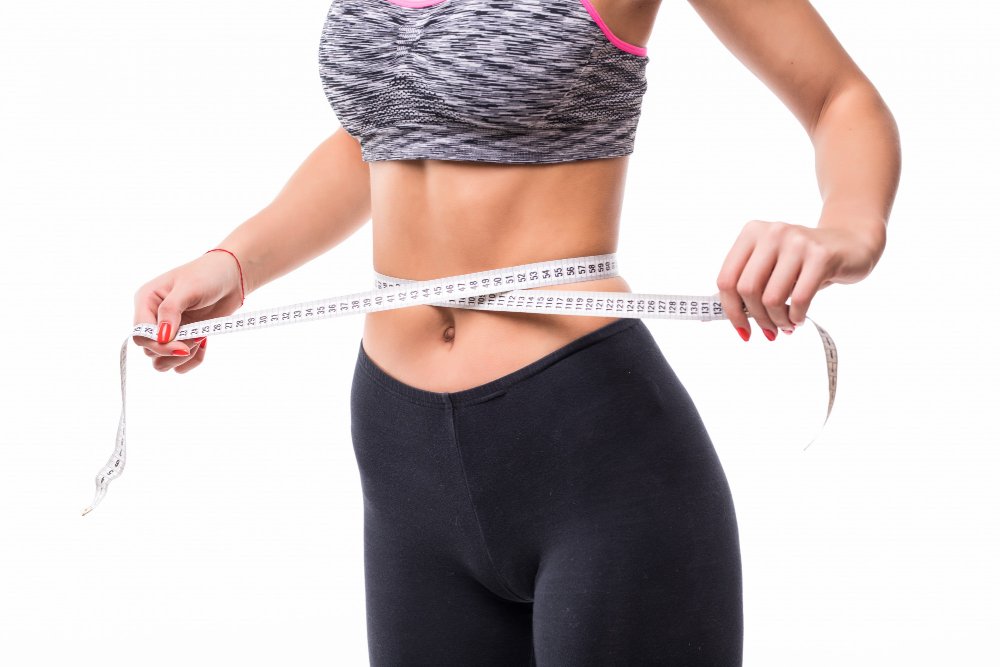
Waist to height ratio is your waist measurement divided by your height, in the same units, and the healthy target is under 0.5. The rule of thumb is simple: keep your waist to less than half your height. A 38 inch waist on a 67 inch frame gives 0.57, in the increased risk band. A 32 inch waist on the same frame gives 0.48.
The ratio is the simplest useful measure of central fat, the fat around the organs that drives most of the health risk from excess weight. This guide gives you the calculator and the chart, explains where the bands come from, compares the measure with BMI, and shows how to take the measurement so the number means something.
| Key points Divide your waist by your height. Under 0.5 is healthy central adiposity, 0.5 to 0.59 is increased, and 0.6 or more is high, the bands adopted by the UK’s NICE in 2022 for adults of both sexes and all ethnicities with a BMI under 35. Measure midway between the bottom of your ribs and the top of your hips at the end of a normal breath out. The ratio catches the central fat that BMI misses, and most US adults are now above 0.5. |
Waist to Height Ratio Calculator
To calculate waist to height ratio, measure your waist and your height in the same unit and divide the first by the second. Inches or centimetres both work.
| Step | What to do | Example |
| 1 | Measure your waist midway between the bottom of your ribs and the top of your hips, after breathing out | 38 inches, or 96.5 cm |
| 2 | Measure your height without shoes | 67 inches, or 170 cm |
| 3 | Divide waist by height | 38 divided by 67 is 0.57; 96.5 divided by 170 is 0.57 |
| 4 | Read your band from the chart | 0.57 is in the increased band |
No calculator? Cut a piece of string to your height, fold it in half, and see whether it goes around your waist. If it does, your waist to height ratio is under 0.5. That test, described in a 2014 paper in BMC Medicine by the researchers who popularised the ratio, is the whole measure in one movement.
Waist to Height Ratio Chart
The chart uses the bands that NICE, the UK’s clinical guidance body, adopted in 2022 and now publishes in guideline NG246. They apply to both sexes and all ethnic groups, including adults with high muscle mass, for anyone with a BMI under 35.
| Waist to height ratio | NICE classification | What it indicates |
| Under 0.4 | Below the healthy band | Low central fat; the chart authors suggest checking weight is not too low |
| 0.4 to 0.49 | Healthy central adiposity | No increased health risk from central fat |
| 0.5 to 0.59 | Increased central adiposity | Increased health risk |
| 0.6 or more | High central adiposity | Further increased health risk |
The four band version comes from a 2014 shape chart by Margaret Ashwell and Sigrid Gibson, which labelled under 0.4 as a zone to take care in and above 0.6 as a zone to take action in. NICE adopted three of those bands. The message is the same: under 0.5 is the goal, and the further above 0.6 you sit, the more the number deserves a conversation with a clinician.
| Height | Waist at 0.4 | Waist at 0.5 | Waist at 0.6 |
| 5 ft 5 in (65 in, 165 cm) | 26 in, 66 cm | 32.5 in, 83 cm | 39 in, 99 cm |
| 5 ft 8 in (68 in, 173 cm) | 27.2 in, 69 cm | 34 in, 87 cm | 40.8 in, 104 cm |
| 5 ft 11 in (71 in, 180 cm) | 28.4 in, 72 cm | 35.5 in, 90 cm | 42.6 in, 108 cm |
The 0.5 column is the waist measurement to stay under.
What Is a Healthy Waist to Height Ratio?
A healthy waist to height ratio is between 0.4 and 0.49. The 0.5 boundary was first proposed in Japan and the UK in the mid 1990s, and a 2010 review in Nutrition Research Reviews of 78 studies from 14 countries found the best cut off averaged 0.50 for men and women alike. That is the ratio’s main advantage: one number works regardless of sex, height or ethnicity.
It works because of what it measures. Waist circumference tracks the fat stored around the abdominal organs, and dividing by height corrects for the fact that a tall person carries a larger waist at the same level of risk. Our explainer on visceral fat in men covers why that particular fat depot matters more than fat under the skin.
Waist to Height Ratio vs BMI
The ratio predicts weight-related health risk at least as well as BMI and usually better, because it responds to where fat sits rather than how much you weigh. BMI cannot tell a muscular person from a person with a large waist at the same height and weight.
| Measure | What it captures | Where it falls short |
| BMI | Weight relative to height | Blind to fat distribution; misclassifies muscular people |
| Waist circumference | Central fat | Needs different cut offs by sex and ethnicity; penalises tall people |
| Waist to hip ratio | Fat distribution | Hip measurement adds error; weakest in a 2026 comparison |
| This ratio | Central fat scaled to body size | Fixed cut off may be strict for short adults; adolescents are debated |
The evidence runs in one direction. A 2012 meta-analysis in Obesity Reviews pooled 31 papers covering more than 300,000 adults and found that waist to height ratio discriminated diabetes, hypertension, dyslipidemia and cardiovascular outcomes better than BMI, with waist circumference in between. A 2026 study in Obesity compared all four measures against DEXA body fat scans and found waist to height ratio marginally ahead, with waist to hip ratio well behind.
The gap shows up in people with a normal BMI. In a 2009 analysis in Obesity Facts, relying on BMI alone would have missed about a third of men and one in seven women who had a normal BMI but a waist to height ratio above 0.5. That is why NICE asks clinicians to measure both for adults with a BMI under 35, and why the 2025 Lancet Diabetes and Endocrinology Commission on clinical obesity recommended confirming excess fat with at least one waist-based measure rather than BMI alone. Our guide to BMI requirements for medical weight loss explains where BMI still matters.
How Common Is a High Waist to Height Ratio?
Most American adults now have a waist to height ratio above 0.5. A 2025 analysis in JAMA Network Open of more than 14,000 adults in the national NHANES survey, 2017 to 2023, found that 80 percent had a ratio above 0.50, against about 40 percent with a BMI of 30 or higher.
| Measure, US adults 2017 to 2023 | Share above the cut off |
| Ratio above 0.5 | 80 percent |
| Elevated waist to hip ratio | 73 percent |
| Elevated waist circumference | 58 percent |
| BMI of 30 or higher | 40 percent |
Twice as many adults carry excess central fat as meet the BMI definition of obesity. A 2024 analysis of nearly 470,000 UK Biobank participants in the American Journal of Clinical Nutrition found a straight line relationship between waist to height ratio and ischemic heart disease that held after accounting for total body fat, and a 2026 study in the American Journal of Preventive Cardiology of nearly 89,000 adults under 45 linked a ratio of 0.5 or more to a higher rate of new heart failure.
How to Measure Your Waist for This Ratio
Measure midway between your lowest rib and the top of your hip bone, at the end of a normal breath out, with the tape snug but not pressing in. That is the protocol from a 2008 WHO expert consultation, published in 2011, and the one NICE repeats.
- Find the landmarks. Press in at the side to find the bottom of your ribs and the top of your hip bone. The midpoint is usually a little above the navel.
- Stand relaxed. Feet together, arms at your sides, weight even.
- Wrap the tape level. Parallel to the floor, on skin or over one thin layer.
- Breathe out normally. Read the tape at the end of the exhale, not after sucking in.
- Measure twice. The WHO protocol takes two readings and averages them if they are within 1 cm.
Measure in the morning before eating. The US NHANES survey measures at the top of the hip bone instead, and a 2008 review in Obesity Reviews found the choice of site made no substantial difference to how well the measurement predicted outcomes. What matters is the same site every time; a 2013 review in Public Health Nutrition found waist measurement error ranged from under a centimetre to 15 cm, almost all of it from inconsistent technique.
Limits of Waist to Height Ratio
The ratio is a screening number, not a diagnosis, and it has edges worth knowing.
| Situation | What to know |
| Short adults | A 2023 analysis of nearly 59,000 people in Obesity Research and Clinical Practice found a fixed 0.5 cut off is stricter on shorter adults |
| Children and adolescents | NICE applies the same bands from age 5; other researchers argue adolescents need their own cut offs |
| Muscular people | NICE states the bands still apply with high muscle mass |
| BMI of 35 or more | NICE does not apply the bands above this level, where risk is already clear |
| Pregnancy | Abdominal measurements lose meaning; wait |
| Extreme ratios | One 2025 NHANES analysis found mortality risk flattened above about 0.58 |
The WHO consultation in 2008 declined to prioritise waist to height ratio over waist circumference, citing insufficient data at the time. The large cohorts above and the NICE decision came later.
Tracking Your Waist to Height Ratio During Weight Loss
The ratio is one of the better numbers to track during weight loss, because it shows central fat leaving. A 2026 post hoc analysis in the Journal of Endocrinological Investigation, authored by the manufacturer, tracked the NICE bands in the SURMOUNT-1 trial of tirzepatide and reported that more participants on study medication moved into a better band than on placebo. That is direction, not a promise, and it describes the trial product rather than any compounded medication.
| Your ratio | What it may reflect | What to do at AHC |
| Falling toward 0.5 | Central fat leaving ahead of the scale | Record it monthly alongside weight on your intake updates |
| Flat while weight falls | Possible lean mass loss or water change | Raise it with your AHC provider at your next review |
| Above 0.6 at the start | High central adiposity worth a clinical conversation | Book a $29.99 provider consultation and bring the number |
AHC providers can use the ratio alongside BMI when they review your intake, but AHC makes no claim about how any product changes it. Results vary by individual.
| Thinking about medical support? Learn how AHC’s medical weight loss program works. You complete a medical intake and pay online, then an AHC provider reviews it and decides whether treatment fits your health history. |
Frequently Asked Questions
What is a healthy waist to height ratio?
A healthy waist to height ratio is 0.4 to 0.49. NICE classes 0.5 to 0.59 as increased central adiposity and 0.6 or more as high, for adults of both sexes and all ethnicities with a BMI under 35.
How do I calculate waist to height ratio?
Divide your waist measurement by your height in the same unit. A 34 inch waist on a 68 inch frame gives exactly 0.5.
Is waist to height ratio better than BMI?
For predicting diabetes, hypertension and heart disease, yes. A 2012 meta-analysis of more than 300,000 adults found it discriminated those outcomes better than BMI, and the two measures work best together.
Does AHC use waist to height ratio to decide eligibility?
An AHC provider reviews your full medical intake, including BMI and history, and decides whether treatment fits. Bring your waist to height ratio to the intake; it adds context that BMI alone does not.
Does AHC medication lower waist to height ratio?
AHC makes no claim about that. Trial reporting on study medication describes central fat falling with weight loss; compounded products have not been studied for it.
Can I track my waist to height ratio in my AHC account?
Record your waist to height ratio on your medical intake updates and at provider reviews. Measure monthly at the same site and time of day.
Should I tell my AHC provider if my ratio is above 0.6?
Yes. A ratio of 0.6 or more is high central adiposity in the NICE bands, and it is worth raising at a $29.99 provider consultation.
My BMI is normal but my waist to height ratio is 0.55. Can I still see an AHC provider?
Yes. A provider consultation costs $29.99 and the provider reviews your full picture. A normal BMI with a raised ratio is common.
What does the AHC visceral fat calculator add to waist to height ratio?
It estimates visceral fat from waist and height so you can see the depot the ratio is tracking. Neither replaces a clinical review.
What does an AHC provider consultation cost?
A provider consultation costs $29.99. It covers your history, your measurements and whether the program fits you.
Tools to Plan Your Next Step
Two free tools sit alongside the ratio.
- BMI calculator. Get the number clinicians still screen with first, so you can see how the two measures compare for you.
- Visceral fat calculator. Estimate the fat depot the ratio is standing in for.
Speak with an AHC provider for $29.99 about your measurements and whether the program fits you.
Medical Disclaimer
This content is for informational purposes only and is not medical advice. Compounded medications are prepared by state-licensed pharmacy partners. They are not FDA-approved and have not been reviewed by the FDA for safety, efficacy or quality. Prescriptions are issued by independently contracted, U.S.-licensed clinicians following an individual medical review, and approval is never guaranteed. Results vary by individual and depend on adherence, clinical guidance, and lifestyle factors. For questions about your treatment, contact AHC support through live chat on the website or at [email protected]. If you have severe symptoms, seek medical care.