Blog
Microdosing Ozempic for Menopause: What Women Over 40 Should Know


Ozempic Microdose Menopause Guide for Hormonal Weight Gain After 40
If you are over 40 and feeling frustrated by stubborn belly fat, slower metabolism, and unexplained weight gain, you are not imagining it. Menopause and perimenopause change the way your body stores fat, burns calories, and responds to stress. Many women searching for solutions are now exploring Ozempic microdose menopause strategies to manage these shifts in a gradual and supportive way.
The question is not just about weight. It is about fatigue, brain fog, hot flashes, insulin resistance, and confidence. Women often ask:
- Can Ozempic help with menopause weight gain
- Is Ozempic safe during menopause
- Does microdosing Ozempic during perimenopause reduce side effects
- Can menopause, belly fat, and Ozempic treatment really help
In this guide, we will break down how Ozempic microdose menopause approaches work, what to expect, and how to combine medication with a health-first lifestyle strategy. At Alternate Health Club, we believe weight loss for women should feel empowering, not extreme.
Why Menopause Causes Stubborn Weight Gain
Before discussing Ozempic microdose menopause strategies, it helps to understand why midlife weight gain happens.
Hormonal Shifts
During menopause:
- Estrogen declines
- Progesterone fluctuates
- Cortisol may rise
- Insulin sensitivity decreases
These changes promote fat storage, particularly in the abdominal region.
Metabolism Slows
Muscle mass naturally declines with age. Less muscle means fewer calories burned at rest. Even if you eat the same diet for weight loss for female routines that worked at 30, they may not work at 45.
Insulin Resistance Increases
As estrogen drops, insulin sensitivity declines. This explains why menopause belly fat Ozempic searches are increasing. Women are looking for structured metabolic support.
What Is an Ozempic Microdose Menopause Approach
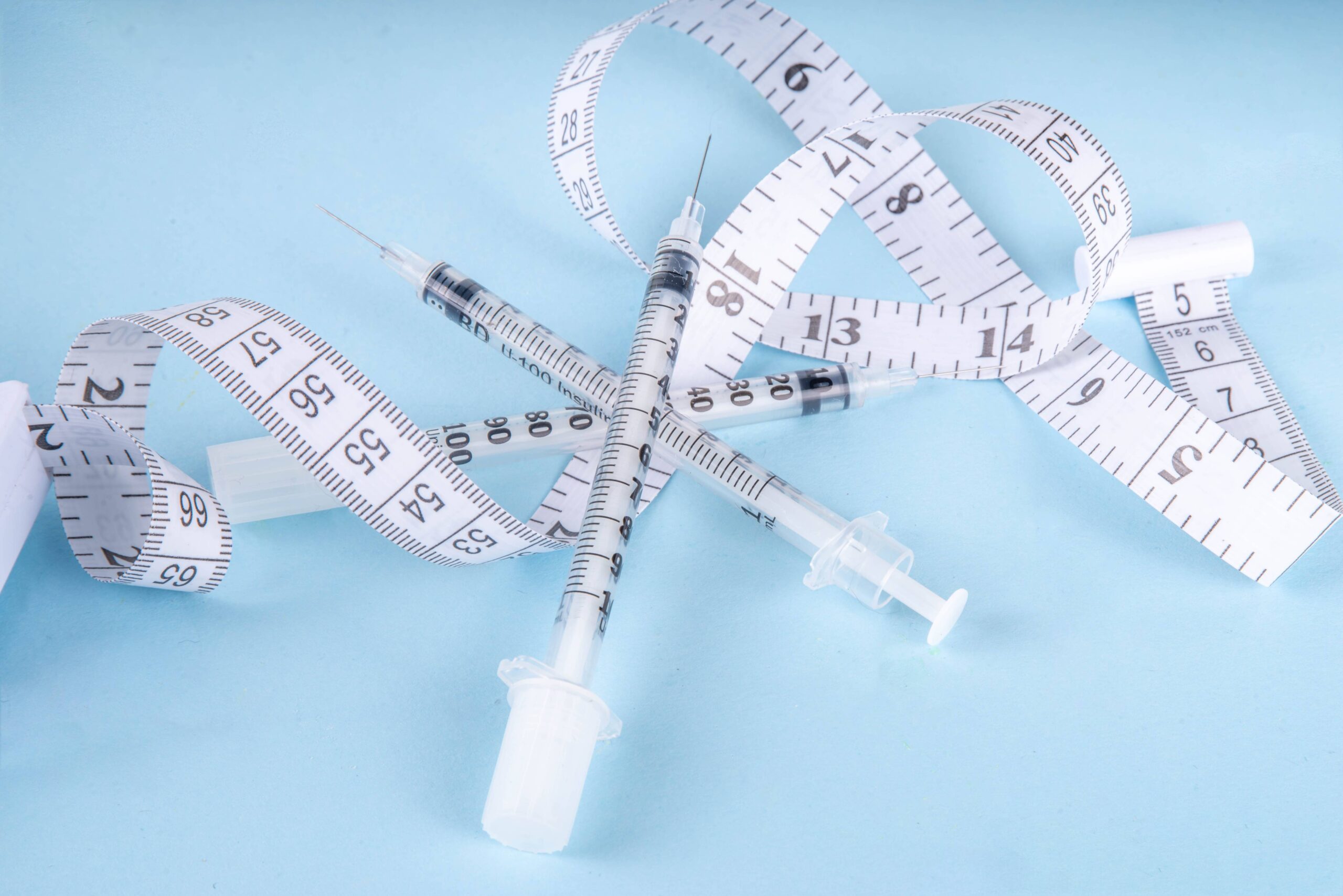
An Ozempic microdose menopause strategy refers to using lower starting doses of GLP-1-based medication to gently support appetite control and insulin regulation.
Instead of aggressive weight reduction medication cycles, microdosing focuses on:
- Gradual calorie adjustment
- Stable blood sugar
- Reduced food noise
- Lower risk of side effect intensity
For women asking, can Ozempic help with menopause weight gain? The answer often depends on consistency and proper medical supervision.
You can review the structured dose progression here:
https://alternatehealthclub.com/compounded-semaglutide-weight-loss-dosage-chart-a-comprehensive-guide/
Can Ozempic Help with Menopause-Related Weight Gain
This is one of the most common questions.
Yes, GLP-1 therapies can support weight loss treatment in women experiencing insulin resistance and appetite dysregulation during menopause.
However, it is not magic. Ozempic microdose menopause strategies work best when paired with:
- Strength training
- Balanced nutrition
- Adequate sleep
- Stress reduction
Medication weight loss solutions are tools, not shortcuts.
Menopause Belly Fat Ozempic Results Explained
Abdominal fat during menopause is often linked to:
- Elevated cortisol
- Reduced estrogen
- Insulin resistance
GLP-1 medications improve insulin signalling and appetite regulation, which may help reduce central fat accumulation.
Benefits Observed in Some Women
| Factor | Potential Impact |
| Appetite control | Reduced overeating |
| Blood sugar balance | Lower insulin spikes |
| Calorie intake | Gradual reduction |
| Fat storage | Decrease over time |
But the most effective weight loss approach still includes lifestyle changes.
Microdose Ozempic Perimenopause vs Full Dose
Some women worry about side effects. A microdose Ozempic perimenopause strategy allows:
- Slower adjustment
- Lower nausea risk
- Reduced fatigue spikes
- Better hydration management
For women already managing hot flashes and mood swings, a gradual introduction may feel more manageable.
Is Ozempic Safe During Menopause
The question is ozempic safe during menopause requires individualised assessment.
GLP-1 therapies are not hormone replacement therapy. They do not directly increase estrogen. Instead, they support metabolic regulation.
Safety considerations include:
- Thyroid history
- Pancreatic health
- Gallbladder function
- Current medications
A structured weight loss therapy prescription plan under medical guidance is essential.
Fatigue, Brain Fog, and Calorie Reduction
Many women report fatigue during menopause. When starting weight loss medication, calorie intake may drop further, intensifying tiredness.
If you notice fatigue during metabolic adjustment, review this guide:
https://alternatehealthclub.com/semaglutide-fatigue-understanding-and-overcoming-this-side-effect/
Energy stability requires:
- Adequate protein
- Hydration
- Sleep consistency
Nutrition Strategies for Menopause
A menopause friendly diet for erectile dysfunction may not apply here, but cardiovascular health and hormone balance matter for both genders.
For women focusing on Ozempic microdose menopause support, nutrition should include:
- Lean protein
- Fibre-rich vegetables
- Healthy fats
- Low glycemic carbohydrates
Explore supportive food choices here:
https://alternatehealthclub.com/what-to-eat-on-semaglutide-top-food-choices-for-weight-loss-and-health/
Health First Approach for Women Over 40
Weight loss for women over 40 must prioritise:
- 150 minutes of moderate exercise weekly
- Strength training to preserve muscle
- Stress reduction practices
- 7 to 8 hours of sleep
Alternate Health Club emphasises a sustainable strategy:
https://alternatehealthclub.com/effective-weight-loss-strategies-a-guide-from-alternate-health-club/
A gradual approach prevents burnout and supports long-term success.
When Ozempic Microdose Menopause May Not Be Ideal
Caution is advised if:
- You have a history of thyroid cancer
- You are pregnant
- You are breastfeeding
- You have severe gastrointestinal disorders
Consult a provider before beginning prescription medicine for weight loss.
Why Microdosing Matters During Menopause
When discussing Ozempic microdose menopause, the concept of Microdosing becomes especially important for women over 40. Hormonal transitions during perimenopause and menopause already place stress on metabolism, sleep cycles, and cortisol balance. Introducing medication gradually helps the body adapt without overwhelming it.
Microdosing focuses on:
- Slow appetite adjustment
- Gentle insulin regulation
- Reduced nausea risk
- Stable energy levels
For women asking, can Ozempic help with menopause weight gain? A structured Microdosing plan may provide smoother metabolic shifts. Instead of rapid calorie reduction medication cycles, the emphasis is on controlled progression.
This approach supports fat loss while minimising sudden hormonal stress responses.
GLP 1 Microdosing and Hormonal Balance
GLP-1 microdosing can be particularly useful for women navigating estrogen decline and increased insulin resistance. During menopause, the body becomes more sensitive to stress and metabolic fluctuations. A gradual GLP 1 introduction may help maintain stability.
With glp 1 microdosing, women often experience:
- Steadier blood sugar levels
- Reduced food cravings
- Lower risk of extreme fatigue
- Better hydration control
For those exploring whether Ozempic is safe during menopause, gradual GLP-1 microdosing allows close symptom monitoring and controlled adaptation.
The goal is not aggressive weight reduction medication results. The goal is metabolic harmony.
How Microdose Weight Loss Support Protects Muscle and Metabolism
One concern during menopause is muscle loss. Rapid weight loss without supervision can worsen this issue. That is why microdose weight loss support prioritises body composition preservation.
Structured microdose weight loss support typically includes:
- Progressive strength training
- Adequate protein intake
- Electrolyte balance
- Sleep optimization
- Gradual calorie reduction
When combined with ozempic microdose menopause strategies, microdose weight loss support helps women avoid the “lose weight fast woman” cycle that can lead to fatigue and rebound weight gain.
Instead of chasing extreme results, this method emphasises sustainable fat reduction, muscle preservation, and hormone-friendly pacing.
At the Alternate Health Club, glp 1 microdosing is integrated into a health-first philosophy that respects midlife physiology.
Frequently Asked Questions
1. Can Ozempic help with menopause weight gain
Yes, especially when insulin resistance contributes to fat storage.
2. Is Ozempic safe during menopause
It can be safe under medical supervision.
3. What is Ozempic microdose menopause
A gradual dosing strategy to reduce side effect intensity.
4. Does menopause belly fat Ozempic treatment work
It may support central fat reduction when paired with lifestyle changes.
5. How long does microdose ozempic perimenopause take to show results
Many women notice changes within weeks to months.
6. Will I lose weight fast
Healthy progress is gradual, not extreme.
7. Does Ozempic replace hormone therapy
No, it supports metabolic health.
8. Can I use medication without exercise
Exercise improves results significantly.
9. Is fatigue common
Some fatigue can occur during adjustment.
10. Should I consult a specialist
Yes, always seek medical guidance before starting.
Conclusion
Navigating menopause weight gain can feel discouraging. Hormonal shifts, insulin resistance, and fatigue create barriers that home remedies for weight loss rarely overcome.
An Ozempic microdose menopause strategy offers structured metabolic support when combined with strength training, balanced nutrition, and sleep optimisation.
At Alternate Health Club, we prioritise gradual, sustainable progress. If you are exploring medication weight loss solutions tailored for women over 40, visit: https://alternatehealthclub.com/
Your health journey should be steady, supported, and empowering.