Blog
What is The Average Cost of Tirzepatide: Check Out The Price Guide

What is the average cost of tirzepatide?
Tirzepatide is a new medication for managing type 2 diabetes. Its introduction has sparked interest due to its potential benefits. However, the cost of tirzepatide is a significant concern for many patients.
Understanding the average cost of tirzepatide is crucial for those considering it as a treatment option. Prices can vary widely based on several factors. These include insurance coverage, pharmacy location, and dosage requirements.
Without insurance, the tirzepatide price can be quite high. This makes it important to explore all available savings options. Patients should also compare the cost of tirzepatide with other diabetes medications.
In this article, we will delve into the average cost of tirzepatide. We will also discuss factors affecting its price and potential savings opportunities.
Summary
Tirzepatide is a newer weekly injectable for type 2 diabetes, with costs that vary widely based on insurance coverage, dosage, and pharmacy. Without insurance, typical monthly prices are around $800–$1,000+; insurance benefits, manufacturer savings, and assistance programs can substantially reduce out-of-pocket costs. Comparing pharmacy prices, confirming plan requirements, and using discount programs are key strategies to manage expenses. This article outlines cost drivers, comparisons with other diabetes medications, savings options, and future pricing considerations.
What is Tirzepatide and How is it Used?
Tirzepatide is a medication designed to help manage type 2 diabetes. It belongs to a class of drugs known as GLP-1 receptor agonists. These drugs assist in regulating blood sugar levels effectively.
The primary function of tirzepatide is to enhance insulin production. It also delays stomach emptying, which helps control appetite. This dual action makes it an attractive option for diabetes management.
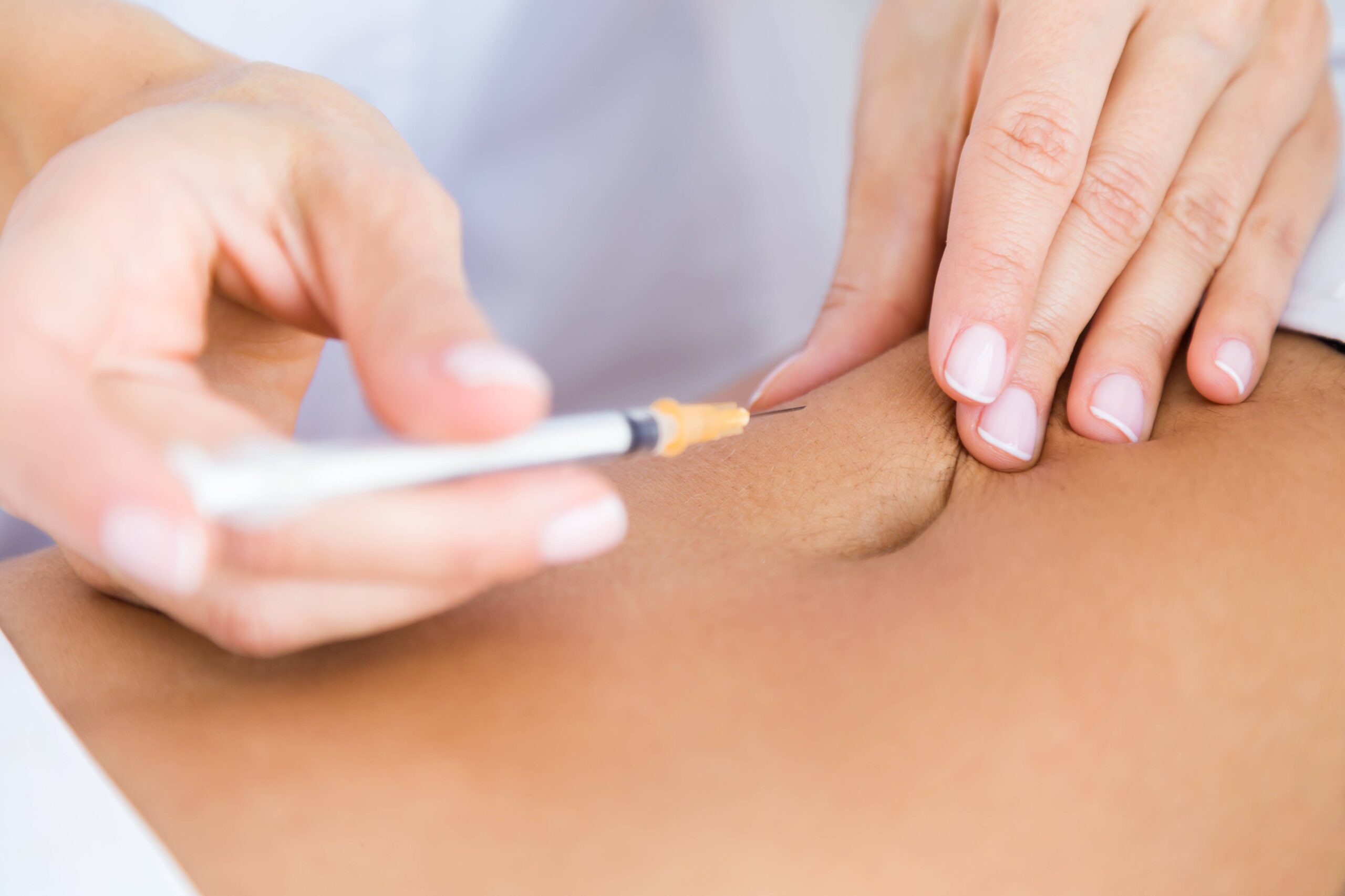
Patients typically use tirzepatide via injection, which can be self-administered. It’s usually prescribed once a week. The dosage might be adjusted based on individual responses and medical guidance.
In addition to its glucose-regulating properties, tirzepatide may offer other benefits:
- Potential weight loss for some patients
- Improved heart health markers
- Enhancement of overall diabetes management
Consulting healthcare professionals is crucial for determining the appropriateness of tirzepatide. It ensures patients use it correctly and safely.
Average Cost of Tirzepatide: Key Numbers
Understanding the average cost of tirzepatide is crucial for both patients and healthcare providers. The price can differ widely based on various factors. Key influences include the pharmacy location and specific insurance coverage.
Without insurance, the cost can be noticeably high. On average, patients might pay several hundred dollars per month. This price often reflects the innovative nature of the medication.
Insurance can significantly reduce the out-of-pocket expense. Some plans may cover a portion of the cost, making it more affordable. Patients need to check with their insurance providers for specific coverage details.
Several factors can further impact pricing, including dosage and frequency of use. Bulk purchasing may offer some discounts. Comparing prices from different pharmacies can also lead to savings.
Here’s a quick breakdown of cost influencers:
- Pharmacy location and chain
- Insurance plan and coverage
- Dosage requirements
- Availability of manufacturer discounts
- Region or country differences
Patients are encouraged to communicate with their healthcare team about these costs. This ensures they receive comprehensive advice on managing expenses. Understanding the financial aspect is key to effective diabetes management with tirzepatide.
Tirzepatide Price Without Insurance
For patients without insurance, the cost of tirzepatide can be a significant concern. The price often ranges from $800 to $1,000 or more per month. This high cost reflects the advanced development and clinical benefits of the medication.
Without insurance coverage, the entire expense falls on the patient. This can be challenging for many individuals managing chronic conditions. It’s crucial to be informed about the potential expenses beforehand.
Several factors can still influence the pricing. These include the pharmacy’s pricing strategy and regional cost variations. Patients may experience different prices at different locations.
Here are some elements that impact out-of-pocket costs:
- Local pharmacy pricing
- Regional price variations
- Discount programs availability
- Quantity purchased
Exploring alternative purchasing methods, like online pharmacies, might offer more competitive prices. Patients should weigh these options carefully to find the best deal. Always consult a healthcare provider for personalised advice and support in navigating these costs without insurance. Understanding these aspects helps in planning financial resources effectively.
Tirzepatide Cost With Insurance
Insurance can significantly reduce the overall cost of tirzepatide. Many plans cover part of the medication’s price, making it more affordable. Understanding your plan’s specifics is crucial for managing expenses effectively.
Coverage varies among providers, so it’s essential to check with your insurer. Some plans might require prior authorisation or have other stipulations. Navigating these requirements can help ensure you receive the maximum benefits.
Even with insurance, out-of-pocket expenses might still be relevant. These can include co-pays, which vary based on the plan’s structure. Being proactive in understanding these aspects is beneficial.
Here are some insurance-related factors to consider:
- Co-pay amounts
- Coverage limitations
- Prior authorisation requirements
- Network pharmacy restrictions
Discuss with your healthcare provider and insurance company to explore potential savings. They might offer insights into additional assistance programs or suggest cost-saving alternatives. Staying informed about these options can ease the financial burden while maintaining your health regimen.
Compounded GLP-1+GIP Pricing in 2026: Why the Alternate Health Club Stands Out as the Most Affordable Choice?
As interest in compounded GLP-1+GIP continues to grow across the U.S., pricing has become one of the biggest deciding factors for women exploring a long-term medical weight loss plan. While many providers advertise access to compounded options, the actual monthly cost often varies widely due to hidden fees, tiered pricing, or add-on charges.
Alternate Health Club takes a different approach by keeping pricing simple, transparent, and accessible, especially for women, new moms, and anyone planning a sustainable journey rather than a short trial.
Below is a clear comparison of typical compounded GLP-1+GIP pricing structures in the market versus AHC’s model, without naming or promoting any specific competitor.
Compounded GLP-1+GIP Price Comparison (2026)
| Pricing Factors | Typical Market Providers | Alternate Health Club (AHC) |
|---|---|---|
| Average monthly medication cost | $250–$450 per month | $169 per month |
| Pricing transparency | Often unclear or variable | Flat, predictable pricing |
| Hidden or add-on fees | Common (consults, refills, admin fees) | No hidden fees |
| Price changes with dose increases | Frequently increases | No price change with dose |
| Commitment required | Short plans with price jumps | Designed for long-term affordability |
| Women-focused support model | Limited or generic | Built specifically for women’s needs |
| Budget planning ease | Difficult due to fluctuations | Easy monthly budgeting |
Factors That Affect the Cost of Tirzepatide
Several factors contribute to the cost of tirzepatide, impacting both insured and uninsured patients. One key factor is dosage, as higher doses typically result in higher prices. Frequency of use also plays a role, with more frequent dosing increasing overall expenses.
Pharmacy pricing strategies can vary, causing significant fluctuations in tirzepatide costs. Geographic location can also influence prices, with some regions seeing higher costs due to supply and demand dynamics.
Here are some factors affecting tirzepatide pricing:
- Dosage requirements
- Frequency of administration
- Pharmacy pricing strategies
- Geographic location
- Market demand and supply
Staying informed about these factors helps patients plan financially. Engaging in discussions with healthcare providers can offer strategies to manage costs effectively. By understanding these elements, patients can better navigate the landscape of tirzepatide pricing.
Comparing Tirzepatide to Other Diabetes Medications
When comparing tirzepatide to other diabetes medications, several factors come into play. Insulin and metformin are commonly used for managing type 2 diabetes, each with its own cost structure. Tirzepatide offers a new approach in diabetes care, which can be reflected in its pricing.
The cost of tirzepatide is often higher than that of generic metformin. Insulin can vary widely in price depending on the formulation and brand. Each medication has unique features, which affect its costs and usage.
Here is a comparison of key diabetes medications:
- Tirzepatide: New, innovative, potentially higher cost
- Insulin: Varied formulations, diverse pricing
- Metformin: Generic availability, typically lower cost
Tirzepatide may offer benefits that justify its higher cost. Patients should weigh these benefits against their personal health needs and budget constraints. Healthcare professionals can help patients navigate these options effectively.
Savings Programs and Financial Assistance for Tirzepatide
Tirzepatide, like many new medications, can be expensive. However, several programs can help reduce costs for eligible patients. These savings options are designed to make the treatment more accessible and affordable.
Manufacturers often provide savings programs to assist with medication costs. These can include discount cards or vouchers that lower out-of-pocket expenses. Patients should inquire about eligibility with their healthcare provider or pharmacist.
Below are some options for saving on tirzepatide:
- Manufacturer Discount Programs
- Patient Assistance Programs
- Co-pay Assistance Cards
- Nonprofit Organisation Support
Certain nonprofit organisations may also offer financial assistance. They often support those who have difficulty affording medications. Patients should explore all avenues to find suitable assistance.
To fully benefit, patients should actively seek and apply for any available programs. Discussing with healthcare providers can unveil further savings opportunities. Taking proactive steps can significantly lighten the financial burden of tirzepatide.
Tips for Reducing the Cost of Tirzepatide
Reducing the cost of tirzepatide requires careful planning and research. Patients can take specific steps to minimise expenses. Here are some practical tips:
- Compare Prices: Check different pharmacies for the best price.
- Insurance Check: Verify insurance coverage and benefits.
- Bulk Purchase: Consider ordering in bulk through mail-order services.
Discussing cost options with a healthcare provider is crucial. Providers may suggest alternative dosing or timing to align with budget constraints. It can also help in identifying potential co-pay cards or discount offers.
Taking an active role in managing medication costs ensures affordability. By being proactive, patients can find financial relief. These efforts lead to sustained use of tirzepatide as a treatment.
Frequently Asked Questions About Tirzepatide Pricing
What influences the price of tirzepatide?
Several factors affect its price, such as dosage, pharmacy pricing, and geographic location. This can lead to significant price variations.
Is insurance coverage typical for tirzepatide?
Insurance coverage varies widely depending on the plan. Patients should consult their insurance provider for specific details.
Are there discounts or savings programs available?
Yes, many pharmaceutical companies offer savings programs or co-pay cards. Eligible patients can benefit significantly from these offers.
Common Concerns:
- Generic Availability: As of now, no generic version exists, impacting cost.
- Price Fluctuations: Market demands and supply may change the price.
- Long-Term Affordability: Exploring financial assistance can help manage long-term costs.
Overall, understanding pricing details supports making informed decisions about using tirzepatide as a treatment option.
The Future of Tirzepatide Pricing and Accessibility
The future pricing of tirzepatide may shift as market conditions evolve. Competition and new research investments could influence these changes.
More competitors entering the market could drive prices down. Additionally, potential future availability of generic versions might improve accessibility. This could significantly impact affordability, making tirzepatide a more viable option for a broader audience. As research progresses, understanding how these factors shape pricing will be crucial for patients and healthcare providers alike.
Conclusion: Making Tirzepatide Affordable
Understanding tirzepatide’s cost is crucial for managing diabetes effectively. Patients should stay informed about cost-saving strategies and available financial programs.
Healthcare providers play a pivotal role in guiding patients towards affordability. Open discussions about costs and exploring insurance options can enhance access to this important medication. Empowering patients with the knowledge and resources they need can make tirzepatide more accessible to those who need it. Collaborative efforts between patients, doctors, and insurers are key to achieving this goal.
Visit the Alternate Health Club for more details on Tizepatide Pricing.