
Blog
The Complete Guide to Healthy Snacks for Weight Loss on GLP-1 Medications

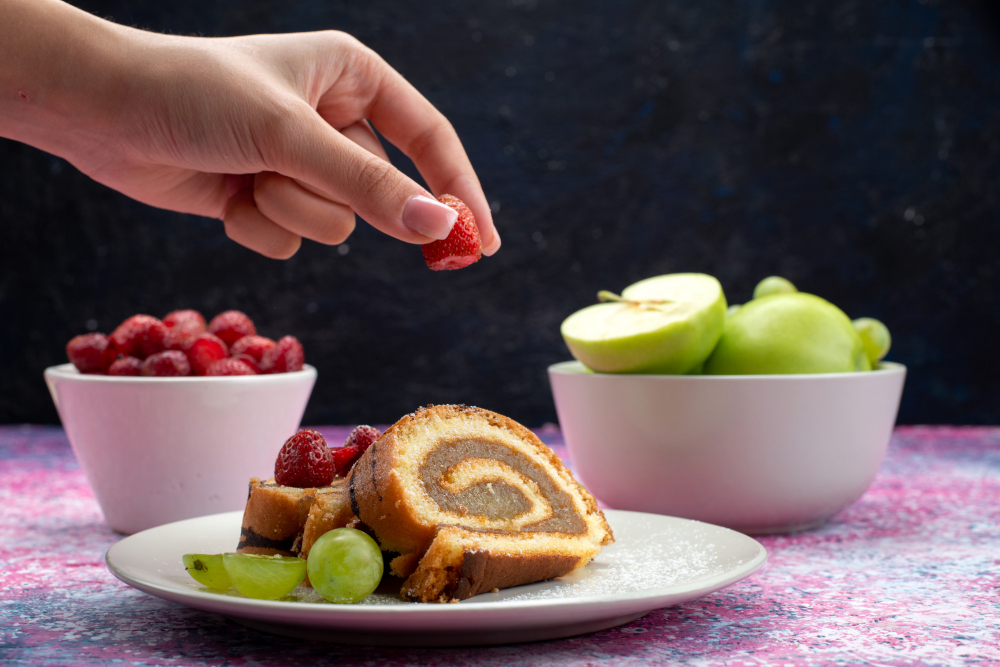
What Are the Best Healthy Snacks for Weight Loss on a GLP-1?
The best healthy snacks for weight loss on a GLP-1 medication deliver 10 to 20 grams of protein in a small volume: Greek yogurt, cottage cheese, hard-boiled eggs, edamame, or a protein shake all qualify. Below 10 grams of protein, a snack is mostly empty calories regardless of how it is marketed. Above 25 grams, it risks tipping into full-meal territory and triggering the same early fullness a big meal would. This guide covers exactly which snacks work, how much protein each delivers, and the specific decision of whether you should be snacking at all.
Key takeaways
- Snacking is not required on a GLP-1. If three meals a day already covers your protein target, you do not need to add snacks just because other content tells you to.
- The useful protein range for a snack is 10 to 20 grams. Below that, it is not doing much. Above 25 grams, it is competing with your next meal.
- A full reference table below covers 14 specific snacks with exact protein counts, not vague categories.
- What backfires is consistent across every source that has studied this: fried food, large portions eaten fast, and sugar without protein or fiber.
At a glance
| 10-20g the useful protein range for a single snack | <10g protein and a snack is mostly empty calories, whatever the label says | 5+ hrs gap between meals is the usual trigger for actually needing a snack | 14 specific snacks below, with exact protein counts, not vague categories |
Should You Even Be Snacking on a GLP-1 Medication?
This is worth answering honestly before getting to the list, because the honest answer is not “yes, always.” If you can comfortably reach your daily protein target across three meals, you do not need to add snacks just because generic weight-loss content assumes everyone should. Snacking becomes genuinely useful in two specific situations: when your meals are spaced more than five hours apart, or when your appetite is low enough that three meals alone will not get you to an adequate protein total for the day.
| A snack under 10 grams of protein is essentially just calories. A snack over 25 grams is often filling enough to compete with your next meal rather than bridge to it. The useful range sits in between, and most snack content skips saying this outright. |
Why Snacking Looks Different on a GLP-1 Medication
Some people find that three full meals a day stops working once appetite drops, and small, frequent bites fit better instead. That is a normal response to how these medications work, not a sign anything is going wrong. The goal of a snack here is a little different from typical diet advice: not just filling a gap between meals, but doing it in a way that adds real protein and does not trigger nausea from a stomach that is already working more slowly than before.
What Makes a Snack Actually Work Here
These principles separate healthy snacks for weight loss that genuinely help from ones that just add empty calories.
Protein-forward, in a specific range
10 to 20 grams of protein per snack is the range that actually does something: enough to matter toward your daily total and support fullness, not so much that it overlaps with a full meal.
Small enough not to trigger discomfort
A snack that is really a second meal in disguise can trigger the same early fullness or nausea that a big meal does.
Gentle on digestion
Very greasy or fried snacks are consistently the ones that cause the most trouble, the same as with meals.
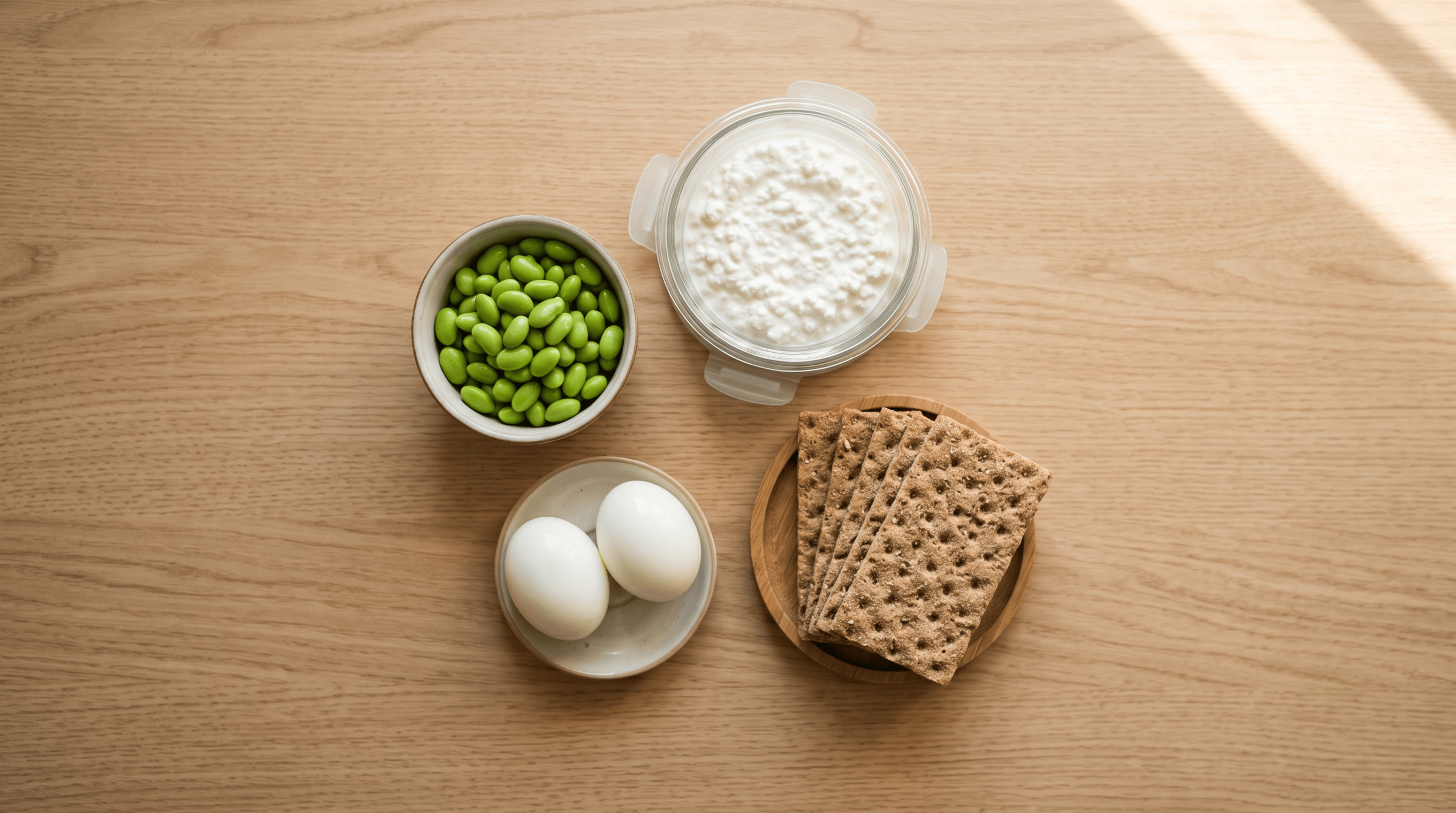
14 Snacks, With Exact Protein Counts
| Snack | Protein | Why it works |
| Greek yogurt (single serving) | 15-20g | High protein, easy to digest |
| Cottage cheese (1/2 cup) | 12-14g | Protein-dense, very portable |
| 2 hard-boiled eggs | 12g | Simple, no prep needed ahead of time |
| String cheese | 6-7g | Portable, shelf-stable short term |
| Turkey or beef jerky (1 oz) | 9-13g | Shelf-stable, good for desks and travel |
| Protein shake or RTD drink | 20-30g | Useful when appetite is very low |
| Edamame (1/2 cup) | 8-9g | Fiber plus protein together |
| Tuna packet (single serving) | 20g | High protein, minimal prep |
| Cottage cheese + berries | 13-15g | Adds fiber to the protein base |
| Deli turkey roll-ups (3 slices) | 12-15g | No prep, pairs well with cheese |
| Apple with skin | 0g, high fiber | Fullness from fiber and water content, not protein |
| Roasted chickpeas (1/4 cup) | 5-6g | Crunchy, fiber-forward, portable |
| Baby carrots with hummus | 3-4g | Fiber plus a little protein and fat |
| Air-popped popcorn (3 cups) | 3g | Volume and crunch at low calories |
The first ten sit in the useful 10-to-20-gram protein range on their own or combined. The last four are fiber-forward rather than protein-forward, useful when paired with one of the protein options above rather than eaten alone.
Protein-forward snacks
These are the ones to reach for most often. Greek yogurt, cottage cheese, hard-boiled eggs, jerky, and protein shakes all deliver meaningful protein in a small volume, which matters more here than usual, since appetite suppression makes it easy to eat too little protein across the day without noticing.
Fiber-forward snacks
Fruit with the skin on, roasted chickpeas, and vegetables with hummus add fullness through fiber and water content rather than protein. These work best paired with a protein source rather than eaten completely on their own.
Portable, desk-friendly snacks
String cheese, jerky, a small portion of nuts, and rice cakes with nut butter all travel well and need no refrigeration for a few hours, which matters if you are managing a workday around treatment.
For more on managing symptoms and timing during a workday, see the Complete Guide to GLP-1 Medications FAQ.
Snacks for active nausea, specifically
Plain crackers, a banana, or dry toast tend to sit better than protein-heavy options during an active nausea flare. This is the one situation where prioritizing what stays down matters more than hitting a protein number.
What Tends to Backfire
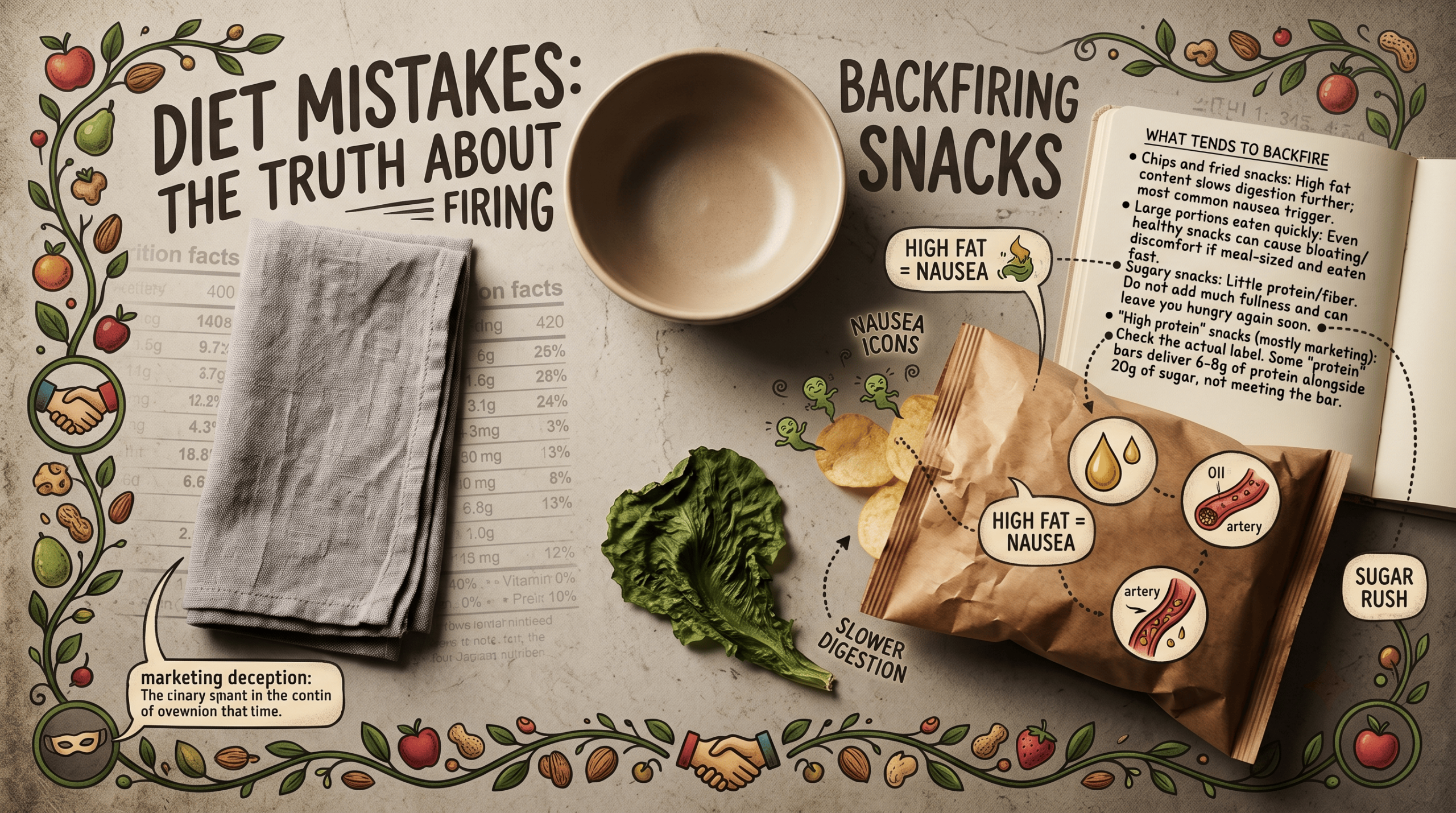
- Chips and fried snacks. High fat content slows digestion further and is one of the most common nausea triggers.
- Large portions eaten quickly. Even a healthy snack can cause bloating or discomfort if it is really meal-sized and eaten fast.
- Sugary snacks with little protein or fiber. These do not add much fullness and can leave you hungry again soon after.
- “High protein” snacks that are mostly marketing. Check the actual label. Some bars sold as protein snacks deliver 6 to 8 grams of protein alongside 20 grams of sugar, which does not meet the bar set above.
How Many Snacks a Day Is Reasonable?
One or two snacks a day, alongside smaller meals, is common and reasonable for most people on a GLP-1 medication, and it is worth genuinely asking whether you need any at all, per the decision framework above. The better guide beyond that is how you feel: a snack that leaves you comfortably satisfied until the next meal is doing its job. One that leaves you still hungry an hour later probably needs more protein, not less food overall.
Adequate protein intake specifically matters for preserving lean muscle mass during intentional weight loss, which is one reason protein-forward snacking is worth getting right rather than treating as an afterthought.
Frequently Asked Questions
What are the best snacks for weight loss on semaglutide or tirzepatide?
Protein-forward options in the 10 to 20 gram range: Greek yogurt, cottage cheese, hard-boiled eggs, jerky, and protein shakes all qualify.
Do I need to snack at all on a GLP-1 medication?
Not necessarily. If three meals already cover your daily protein target comfortably, snacking is optional, not required.
How many snacks should I eat per day on a GLP-1 medication?
One or two is typical for most people, alongside smaller meals. Let comfortable fullness be the guide rather than a fixed number.
Are nuts a good snack on a GLP-1 medication?
Yes, in a small portion. Nuts are calorie-dense, so portion control matters more than with lower-calorie snacks like vegetables or fruit.
What snacks should I avoid on semaglutide or tirzepatide?
Chips, fried snacks, and large portions eaten quickly are the most common triggers for nausea and bloating.
Is fruit a good snack for weight loss on a GLP-1?
Yes, in moderate amounts, especially fruit with the skin on for fiber. Pairing it with a protein source makes it more filling on its own.
Can protein bars replace a real snack?
Some can, if they are genuinely protein-forward with modest sugar. Check the label rather than assuming; many bars marketed for weight loss deliver more sugar than protein.
Why do I need to snack more on a GLP-1 medication than I used to?
Some people find smaller, more frequent eating fits a suppressed appetite better than three full meals. This is a normal adjustment, not a sign anything is wrong.
What is a good snack for nausea specifically?
Plain crackers, a banana, or a small portion of dry toast tend to sit better than protein-heavy options during an active nausea flare.
How much protein should a snack have?
Aim for 10 to 20 grams. Below 10, it is not doing much. Above 25, it may compete with your next meal instead of bridging to it.
Build a Full Plan Around Your Own Treatment
Finding healthy snacks for weight loss is one small piece of a bigger plan. A free evaluation with a licensed AHC provider looks at your full history to help determine whether compounded semaglutide or compounded tirzepatide is right for you.
Free AHC calculators and tools
See all AHC weight loss calculators
Related reading
Best Smoothie Recipes for Weight Loss on GLP-1 Medications
The Complete Guide to GLP-1 Medications: Your Most Common Questions Answered
Medical disclaimer
This article is for informational purposes only and is not a substitute for professional medical or nutritional advice. Always talk with your provider or a registered dietitian about the eating plan that is right for you. Semaglutide and tirzepatide are prescription medications available only after an individual evaluation by a licensed provider.