
Blog
Colonoscopy on GLP-1 Prep Steps and Questions to Ask

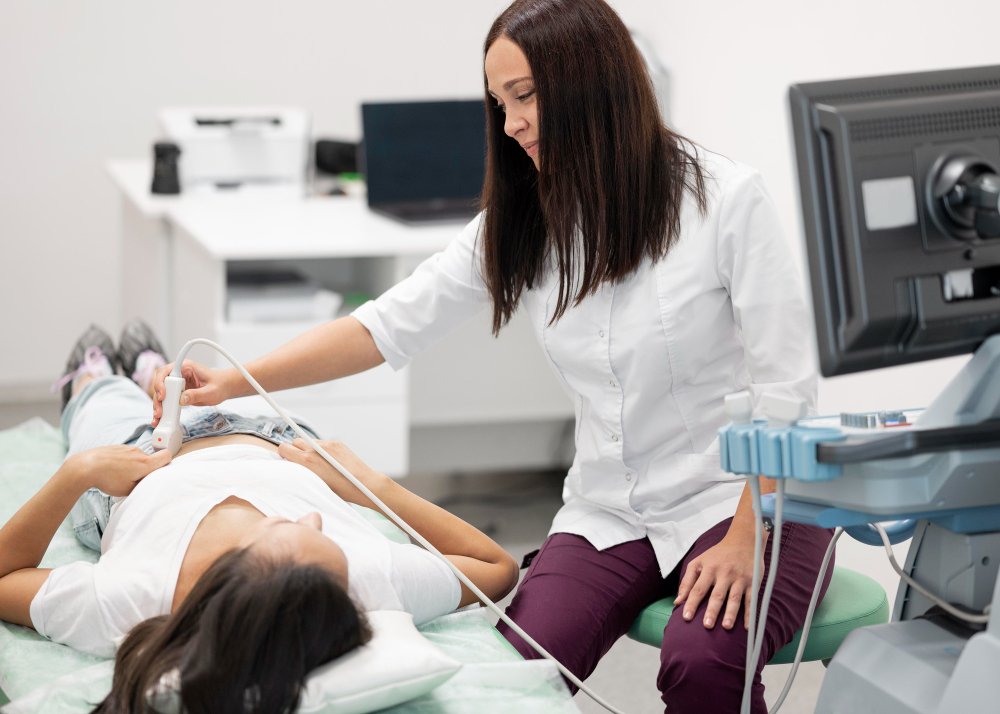
If you have a colonoscopy on GLP-1 treatment coming up, tell the doctor doing your procedure as soon as it is booked. Current guidance from US anesthesia and digestive health groups says most people can keep taking their GLP-1. People at higher risk may be asked to follow a liquid diet for 24 hours before the procedure. Your procedure team makes the final call based on your own risk.
GLP-1 medications slow how fast the stomach empties. That can leave food in the stomach during sedation and can make bowel prep less effective. This guide explains what the guidance says, how your prep may change, what to ask, and how to keep AHC in the loop.
Colonoscopy on GLP-1 Starts With These Five Steps
Tell your gastroenterologist you take a GLP-1 when the procedure is booked. Ask whether to keep or hold your medication. Ask about a clear liquid diet the day before. Do not change your dose on your own. Let AHC support know the date.
Why GLP-1 Medications Matter for a Colonoscopy
A colonoscopy on GLP-1 needs the same two things as any colonoscopy. The stomach should be empty for sedation, and the colon should be clean so the doctor can see it.
| What GLP-1s do | Why it matters for your procedure |
| Slow stomach emptying | Food may stay in the stomach longer, which matters during sedation |
| Reduce appetite and cause fullness | Drinking large volumes of prep can feel harder |
| Can cause nausea or constipation | Prep may be harder to finish, and the colon may be less clean |
Food left in the stomach during sedation raises the risk of breathing it into the lungs, called aspiration. That risk is low, but anesthesia teams take it seriously. Our guide to gastric emptying explains why GLP-1s slow digestion in more detail.
What Current Guidance Says About a Colonoscopy on GLP-1
Advice on a colonoscopy on GLP-1 has shifted over the past few years as more data came in. Here is how it changed.
| Year | Group | Main advice |
| 2023 | American Society of Anesthesiologists | Hold weekly injections for a week before elective procedures |
| 2024 | American Gastroenterological Association rapid update | People without stomach symptoms can usually go ahead, and a clear liquid diet the day before is an option |
| Late 2024 | Joint guidance from anesthesia and digestive health societies | Most people can continue. Higher-risk patients may follow a 24-hour liquid diet. Holding is reserved for select high-risk cases |
The late 2024 guidance came from the American Society of Anesthesiologists together with the American Gastroenterological Association, the American Society for Metabolic and Bariatric Surgery, the International Society of Perioperative Care of Patients with Obesity and the Society of American Gastrointestinal and Endoscopic Surgeons. It replaced the earlier blanket advice to hold.
Some hospitals still follow older rules for a colonoscopy on GLP-1, or have their own. That is why the instructions from your own procedure team come first.
Who May Be Asked to Hold Their GLP-1
The joint guidance names factors that raise the chance of food staying in the stomach. Your doctor may suggest holding your medication before a colonoscopy on GLP-1 if one or more apply.
- You are in the dose escalation phase. The early weeks of treatment, when doses step up.
- You take a higher dose. Your doctor weighs this with your other risks.
- You take a weekly injection. Weekly medicines stay in the body longer than daily ones.
- You have stomach symptoms. Nausea, vomiting, bloating or belly pain around procedure day.
- You have other conditions that slow digestion. Your doctor will ask about these.
If your doctor asks you to hold, follow their timing. Then contact AHC support so your restart plan fits AHC’s rules. Our guide on stopping Ozempic before surgery covers holds for surgery, which follow a similar decision process.
How a Colonoscopy on GLP-1 Can Change Your Bowel Prep
Bowel prep is the part most people dread. For a colonoscopy on GLP-1, it may need a few changes.
| Prep step | What may change on a GLP-1 |
| Low-fiber diet in the days before | Some teams start earlier or ask for a longer clear liquid phase |
| Clear liquids | Often a full 24 hours before the procedure |
| Prep drink | Split doses can help if fullness or nausea makes large volumes hard |
| Constipation in the week before | Tell your team early, since it can affect how clean the colon gets |
A 2025 analysis of 5 studies with 10,833 patients found inadequate bowel prep in 10.6% of GLP-1 users compared with 4.6% of nonusers. A poorly prepped colon can mean a repeat procedure. If you have had constipation on a GLP-1, mention it when you book.
Eating less does not mean you need less prep. Follow the full instructions for your colonoscopy on GLP-1. Our GLP-1 protein calculator helps you plan meals for the days before your low-fiber diet starts, so you go in well fed rather than run down. Our BMI calculator records your starting numbers if your team asks for your current weight.
Prep Checklist for the Week Before
- Confirm your instructions in writing. Ask whether to keep or hold your GLP-1.
- Note your injection day. Tell your team which day you inject and when your last dose will be.
- Start the low-fiber diet on time. Follow the start date your team gives you.
- Stock clear liquids. Broth, clear juices without pulp, water and electrolyte drinks.
- Plan the prep drink. Ask about a split dose if fullness is a problem.
- Arrange a ride home. Sedation means you cannot drive afterward.
Staying hydrated during prep matters more for a colonoscopy on GLP-1, since the medication can lower thirst. Our guide to electrolytes on GLP-1 explains what to drink.
Questions to Ask Your Gastroenterologist
Write these down and bring them to your pre-procedure call. They cover the decisions that matter most for a colonoscopy on GLP-1.
| Question | Why ask it |
| Should I keep taking my GLP-1 or hold it? | Decisions depend on your own risk |
| If I hold it, which dose should I skip? | Weekly timing matters |
| How long should my clear liquid diet be? | Many teams now ask for 24 hours |
| Can I take my prep in split doses? | It can be easier with fullness |
| What should I do if I feel nauseated during prep? | You need a plan before it happens |
| Will the anesthesia team check my stomach before sedation? | Some centers use a quick ultrasound |
The anesthesia team may also ask about your medication on the day. Tell them which GLP-1 you take, your injection day and when you last took it.
What Research Shows
Several studies have looked at GLP-1s and endoscopy, including colonoscopy on GLP-1 treatment. The findings point in the same direction, though most studies are observational.
- Retained stomach contents. In upper endoscopy studies, GLP-1 users had food left in the stomach more often. One study of 815 GLP-1 users found food in the stomach in 12.7% of those who kept taking the medication, compared with 4.4% of those who held it. Rates of stopped procedures did not differ significantly.
- Stomach emptying delay. A 2024 meta-analysis of 15 studies found an average delay of about 36 minutes, which the authors described as modest compared with standard fasting times before procedures.
- Bowel prep quality. A 2025 meta-analysis in the American Journal of Gastroenterology found more inadequate prep in GLP-1 users.
Most of these studies looked at brand medications. Findings do not apply directly to compounded medication.
What Is Still Unknown
Some questions do not have firm answers yet.
- The best hold time. No trial has compared different hold periods directly.
- Compounded medications. We found no published studies on compounded semaglutide or tirzepatide and procedures.
- Daily versus weekly risk. Guidance treats weekly injections as higher risk, but direct comparisons are limited.
This is why each colonoscopy on GLP-1 decision sits with your procedure team.
How AHC Handles a Colonoscopy on GLP-1
AHC providers do not make procedure decisions. Your gastroenterologist and anesthesia team do. AHC’s part is your GLP-1 plan before and after.
| Situation | What AHC asks you to do |
| Your procedure is booked | Contact AHC support through live chat or email with the date |
| Your doctor asks you to hold a dose | Follow your doctor, then tell AHC support |
| Your break in treatment is under 4 weeks | Resume your prior dose |
| Your break is over 4 weeks | Contact AHC support for a provider review or a lower-dose restart |
| You want a dose change after the procedure | Request a dose review through AHC support. Changes are never automatic |
Never change your dose on your own. Customers never contact the pharmacy about dosing.
| About compounded medication Compounded semaglutide and compounded tirzepatide are prepared by state-licensed pharmacy partners held to the same quality and safety standards. They are not FDA-approved and have not been reviewed by the FDA for safety, efficacy or quality. |
When to Get Help
Contact your procedure team or seek care if any of these happen before or after a colonoscopy on GLP-1.
| Sign | What to do |
| You vomit or cannot keep the prep down | Call your procedure team before the procedure |
| Severe belly pain or swelling | Seek medical care right away |
| Fever, bleeding or severe pain after the procedure | Call your gastroenterologist or seek urgent care |
| Dizziness or fainting during prep | Seek medical care. Our guide to dizziness on GLP-1 explains causes |
Results vary by individual and depend on adherence, clinical guidance and lifestyle factors.
| Questions about your GLP-1 plan? A provider consultation costs $29.99. Learn about AHC’s program and how AHC providers review each case. |
Frequently Asked Questions
Do I need to stop my GLP-1 before a colonoscopy?
Not always. Current guidance says most people can continue. Some are asked to follow a 24-hour liquid diet. Your procedure team decides. If they ask you to hold before a colonoscopy on GLP-1, follow them and tell AHC support.
Should I tell AHC about my colonoscopy?
Yes. Contact AHC support through live chat or at [email protected] with the procedure date, especially if you will hold a dose.
Will AHC tell me whether to hold my medication?
No. Procedure decisions sit with your gastroenterologist and anesthesia team. AHC helps with your plan before and after a colonoscopy on GLP-1.
What if I hold my dose and the break is under 4 weeks?
Resume your prior dose. That is AHC’s rule for a gap under 4 weeks.
What if my break ends up longer than 4 weeks?
Contact AHC support. AHC asks for a provider review or a lower-dose restart after a gap of more than 4 weeks.
Can I ask for a lower dose before my colonoscopy on GLP-1?
You can request a dose review through AHC support. AHC’s medical officer reviews it, and changes are never automatic.
Should I contact the pharmacy about my procedure?
No. Customers never contact the pharmacy. Questions about timing and dosing go to AHC support.
Should I delay my next AHC order around the procedure?
Contact AHC support to talk through timing. Orders process in 1 to 2 business days, with no processing on weekends or federal holidays.
What do I tell the anesthesia team on the day?
Tell them which GLP-1 you take, your injection day and when you took your last dose. Bring your colonoscopy on GLP-1 instructions with you.
Does compounded medication change the colonoscopy advice?
Guidance is based on brand studies. No studies have looked at compounded medication and procedures, so give your procedure team the same details either way.
Tools to Plan Your Next Step
Two more free tools help you plan around your procedure.
- TDEE calculator. Estimate your energy needs for the days after, when you start eating normally again.
- Macro calculator. Plan balanced meals once your team clears you to eat.
Questions about your plan? Speak with an AHC provider for $29.99.
Medical Disclaimer
This content is for informational purposes only and is not medical advice. Compounded medications are prepared by state-licensed pharmacy partners. They are not FDA-approved and have not been reviewed by the FDA for safety, efficacy or quality. Prescriptions are issued by independently contracted, U.S.-licensed clinicians following an individual medical review, and approval is never guaranteed. Results vary by individual and depend on adherence, clinical guidance, and lifestyle factors. For questions about your treatment, contact AHC support through live chat on the website or at [email protected]. If you have severe symptoms, seek medical care.